Prevent Scratches on Wood Floors With These Smart Tips
Scratch prevention starts with Durability Comparison of Hardwood Floor Types, trimmed pet nails, and doormats at every entrance to catch outside debris. BK Flooring Services recommends routine sweeping and manufacturer-approved cleaners for finishes from brands like Bona, Bruce, and Mohawk to preserve hardwood’s protective coating.
Key Takeaways
Clean exterior areas at all home entrances to prevent dirt and debris from scratching floors.
Hardwood floor installation costs homeowners vary by project; contact BK Flooring Services for a consultation.
Exotic hardwoods cost $12-22 per square foot, requiring careful maintenance to protect your investment.
Furniture movement, pet activity, and chair sliding cause scratches that damage floor appearance over time.
What Causes Scratches on Hardwood Floors?
Daily life does the damage. Foot traffic, sliding furniture, and everyday spills wear down a wood floor’s finish gradually, and that wear opens the door to visible scratches over time. Property managers and homeowners rarely notice the buildup until a scuff catches the light.
Footwear ranks among the biggest offenders. Hard heels and pointed soles press concentrated force into the finish, leaving dents and gouges with every step. This matters most in entryways and hallways, where traffic concentrates and repeated pressure adds up fast.
Do high heels and sneakers really damage wood floors?
Yes, and the mechanics explain why. High heels and athletic shoes fail to spread body weight evenly across the sole, unlike a apartment, cushioned shoe. That uneven pressure creates dents and pock marks, especially on softer wood species.
Common culprits worth flagging around the house include:
Hard-soled dress shoes and heels
Athletic shoes with rigid tread patterns
Furniture legs dragged rather than lifted
Spilled liquids left to sit on the finish
Understanding how to prevent scratches on wood floors starts with recognizing these everyday triggers before they become permanent marks.
How Does Professional Installation Protect Your Floors?
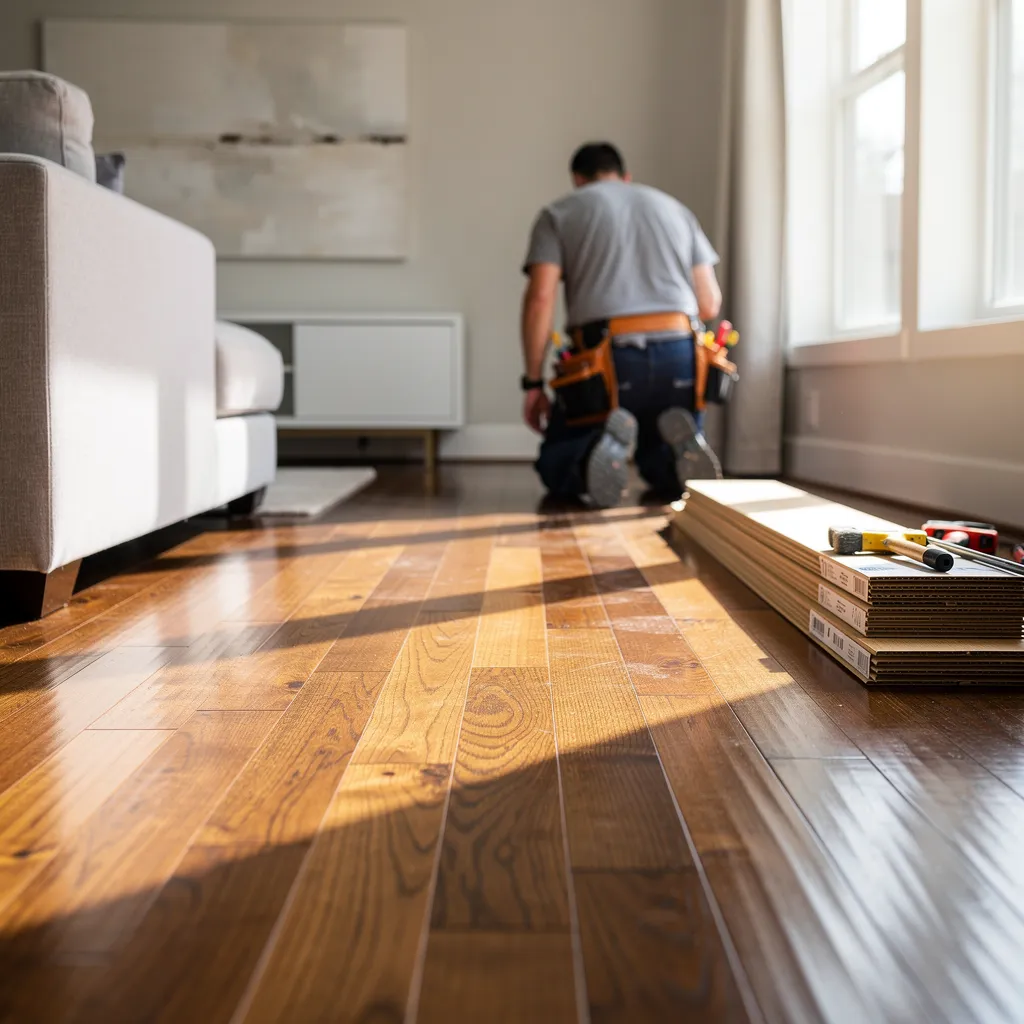
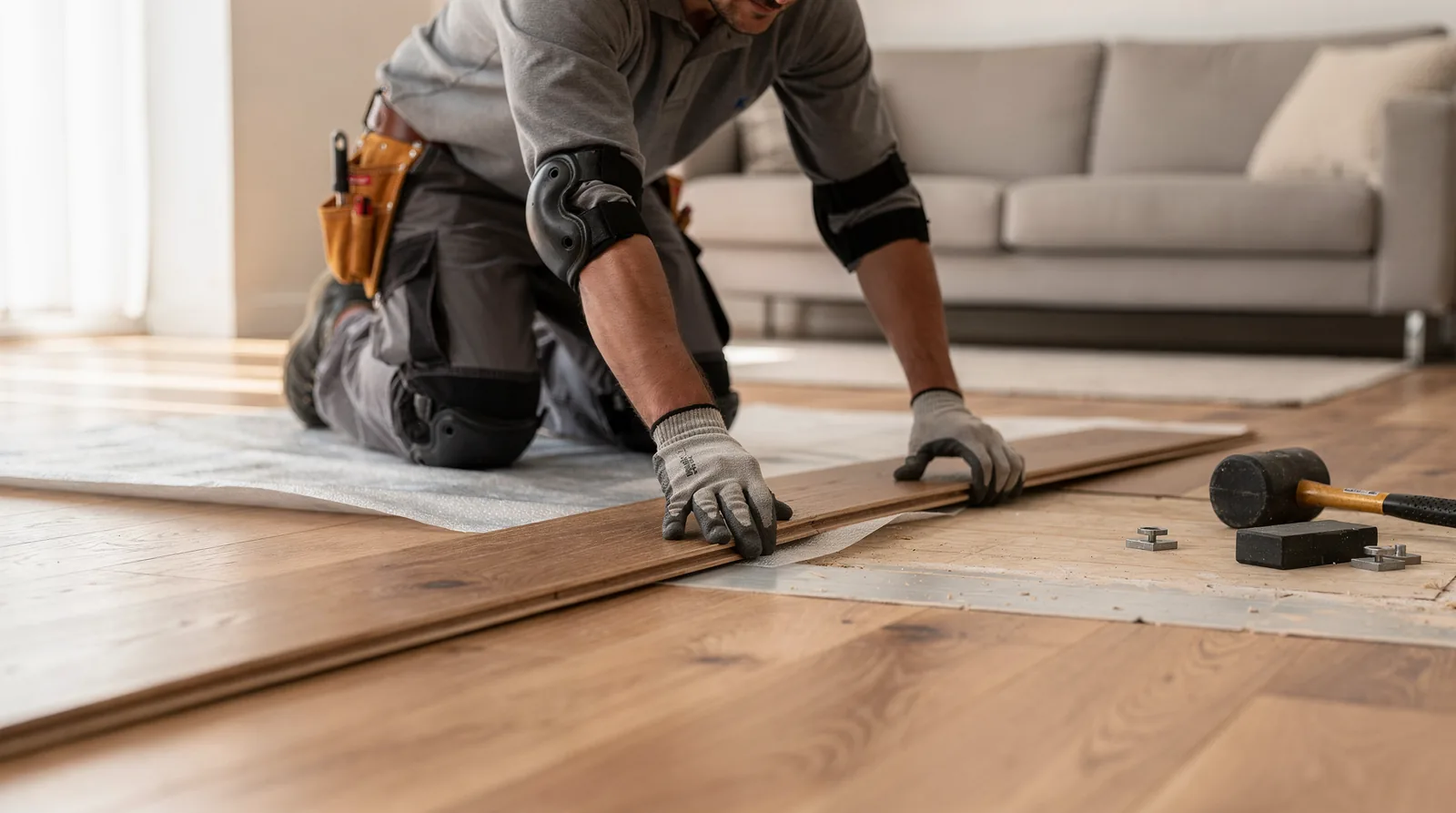
Top Tips for Seasonal Hardwood Flooring Maintenance guards wood flooring by controlling every stage of the job, from subfloor prep to final furniture placement. Untrained installation crews skip these steps, leaving floors exposed to gouges and premature wear within months. How to prevent scratches on wood floors starts long before the first plank goes down. BK Flooring Services builds that protection into its process.
Before any new flooring goes in, crews prepare the subfloor and handle all demolition work. This groundwork removes debris and uneven spots that cause friction and scratching once the new floor is laid.
Does the installation crew protect furniture during the job?
Yes. Furniture gets moved out of the work area entirely and returned only after the floor is complete. During the project itself, remaining pieces are wrapped in plastic, and felt pads go on furniture legs so nothing drags across the fresh surface.
What if scratches show up later?
Existing wear doesn’t require full replacement. BK Flooring Services handles sanding and refinishing for both minor dents and heavier damage, restoring the floor’s surface without starting over.
Homeowners and property managers across Marietta, GA benefit from working with a local crew trained in these protective practices firsthand. That local presence means:
Direct access to installers familiar with the region’s flooring needs
Consistent protective measures applied on every job
A single point of contact for both installation and future refinishing needs
What Daily Habits Prevent Wood Floor Scratches?
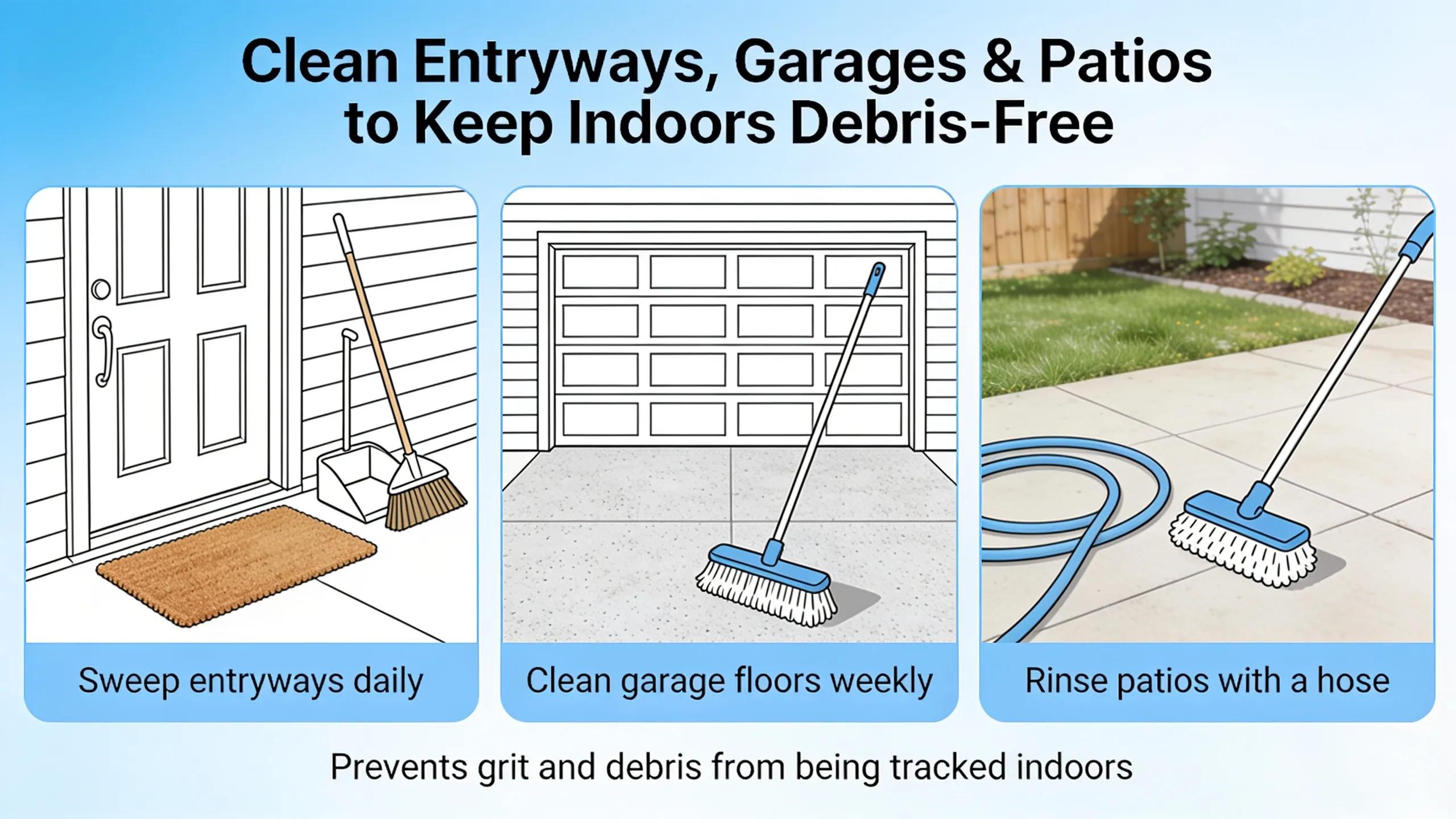
Consistent, small routines protect wood floors far better than one-time fixes. Grit tracked in from outside acts like sandpaper underfoot, grinding into the finish with every step. Property managers and homeowners who guard against how to prevent scratches on wood floors treat entryways as the first line of defense, not an afterthought.
Does keeping outdoor areas clean really matter?
Yes. Dirt and small stones collecting near garages, patios, and front doors get carried inside on shoes and paws. Sweeping these zones regularly, and placing mats at every entrance, cuts down on the debris that scratches finished flooring.
What’s the best way to protect floors from furniture?
The same felt-pad method flooring crews use during installation works just as well for everyday living. Installers often shield fresh floors with plastic and attach felt pads to furniture legs so nothing drags across the surface. Homeowners can borrow this exact approach:
Attach felt pads to chair and table legs
Use furniture sliders when rearranging heavy pieces
Lay down protective coverings during moves or renovations
Even with careful habits, wear happens. Pets, foot traffic, and shifting furniture eventually leave marks despite precautions. When scratches do show up, sanding and refinishing services restore the surface without requiring a full floor replacement, whether the damage involves a few light marks or something more extensive.
Conclusion
In closing, protecting your wood floors from scratches requires a combination of preventive habits, smart furniture choices, and regular maintenance. By implementing these strategies—from using protective pads and area rugs to maintaining consistent cleaning routines—you preserve the beauty and longevity of your investment. Should your floors sustain damage over time, professional sanding and refinishing restores them to their original luster, ensuring your wood floors remain a stunning centerpiece of your home for years to come.
Frequently Asked Questions
How do felt pads help prevent scratches on wood floors?
Furniture felt pads for wood floors work by creating a soft buffer between hard chair, table, and sofa legs and the finish underneath. Without them, everyday movement—pulling out a chair, shifting a table—drags rigid material across the surface and grinds grit into the finish, causing visible scratches. Flooring crews attach felt pads to furniture legs during installation for this exact reason, and homeowners can apply the same protection immediately. Pads should be checked periodically since they wear down and pick up debris over time, and replacing worn pads keeps the protection consistent across entryways, living rooms, and dining areas where furniture gets moved most often.
What is the best way to protect hardwood floors from furniture?
Protecting hardwood floors from furniture starts with felt pads on every leg, paired with furniture sliders for heavier pieces like sofas, bookshelves, and dining tables that get rearranged occasionally. Lifting furniture instead of dragging it avoids gouges entirely, and laying down protective coverings during moves or renovations prevents accidental damage from tools and equipment. These habits mirror the same protective measures professional installers use when placing furniture back after a flooring project, giving homeowners a reliable, low-cost way to guard their investment against daily wear from furniture contact.
How often should hardwood floors be cleaned to prevent scratches?
Routine sweeping is the foundation of hardwood floor scratch prevention because grit tracked in from outside acts like sandpaper underfoot, wearing down the finish with every step. Homeowners should sweep high-traffic areas and entryways frequently, ideally daily in busy households, and use manufacturer-approved cleaners suited to finishes from brands like Bona, Bruce, and Mohawk. Regular cleaning removes the abrasive particles before they get ground into the surface by foot traffic or furniture movement, making it one of the simplest and most effective hardwood floor care tips for preserving the protective coating long-term.
Do pets scratch hardwood floors, and how can pet owners prevent it?
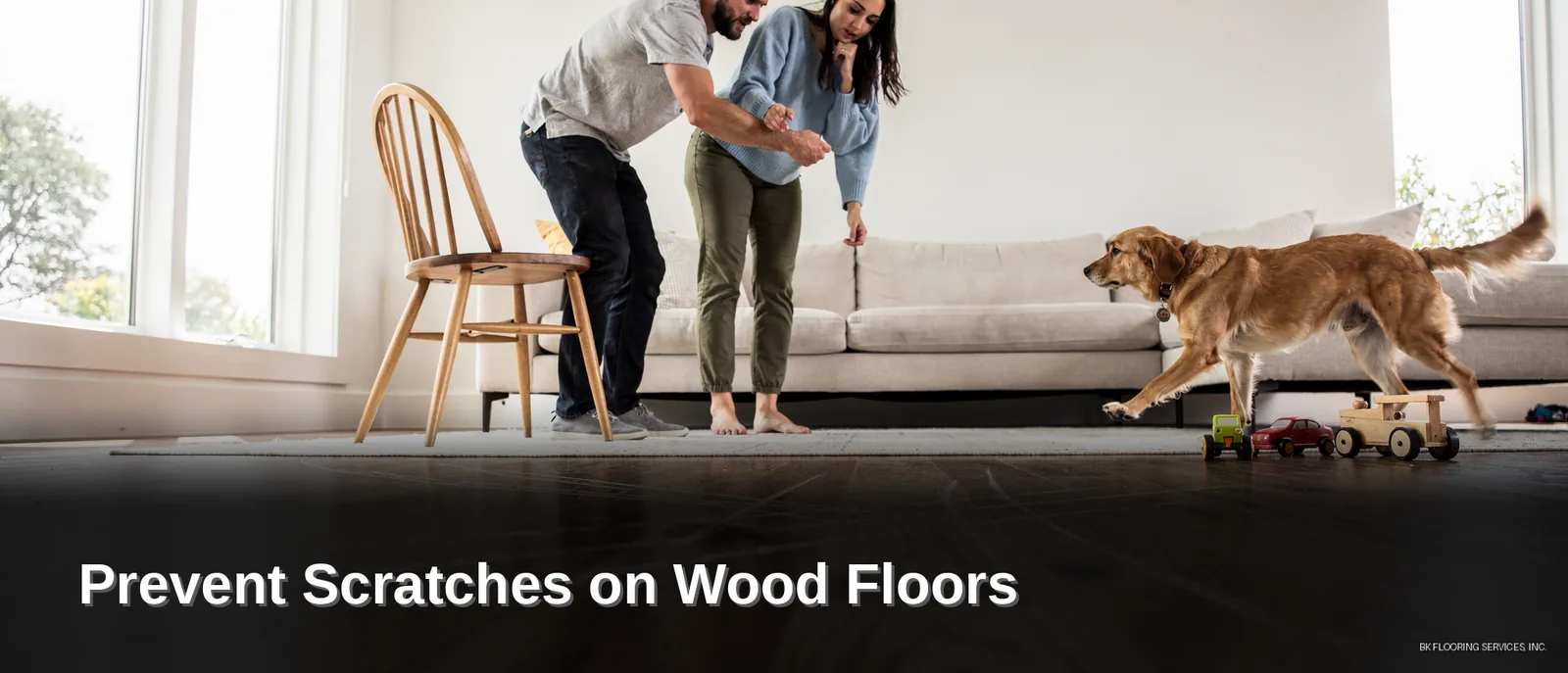
Yes, pet claws are a common source of scratches on hardwood floors, especially from dogs that run, pace, or greet visitors at the door. Trimmed pet nails reduce the sharp edges that dig into the finish, and doormats at every entrance help catch dirt and debris that paws track in from outside, which otherwise compounds the scratching effect. Keeping exterior areas near garages, patios, and front doors clean also limits what pets carry indoors. Combined with routine sweeping, these habits address pet-related wear before it accumulates into visible, permanent damage on the floor’s surface.
What type of hardwood is most resistant to scratches?
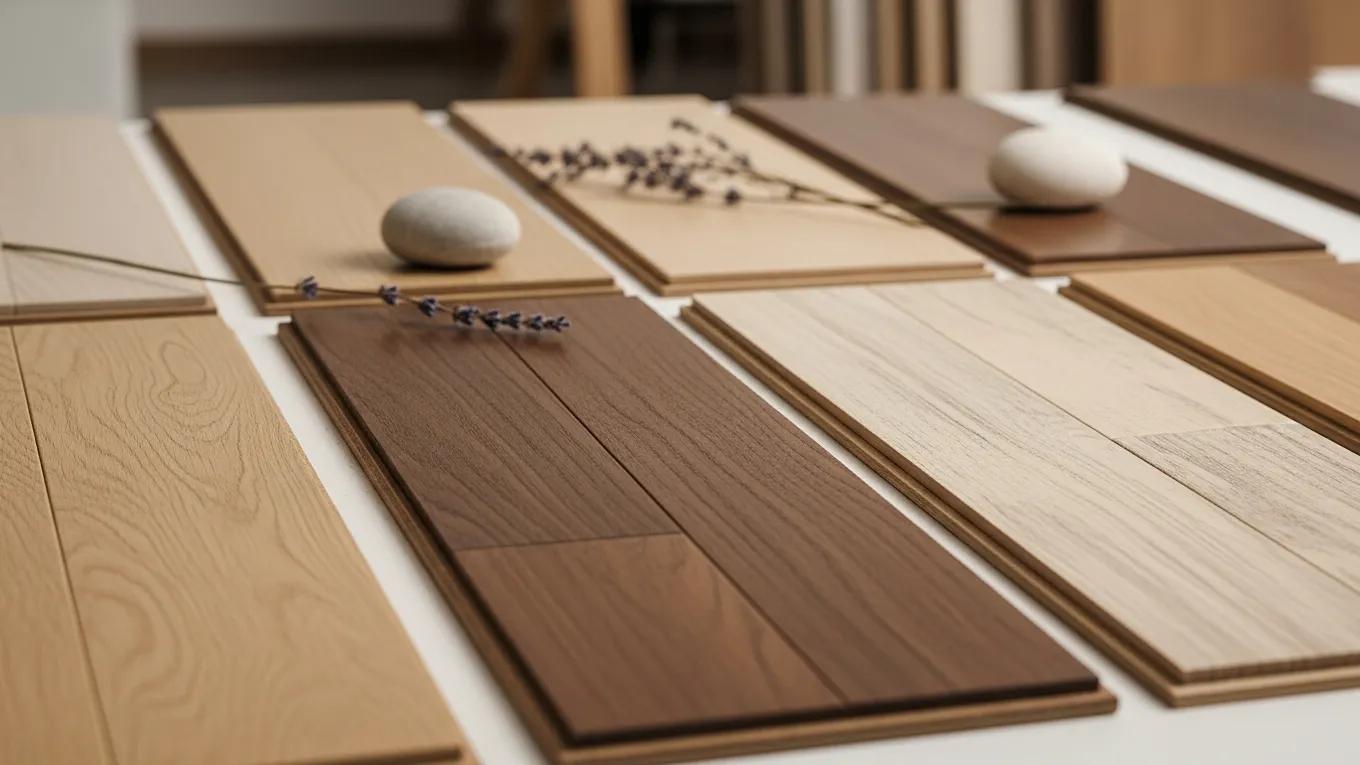
Wood species vary in hardness, which directly affects how visible scratches become; softer species show dents and pock marks more readily under pressure from heels, furniture, and pets. Exotic hardwoods, which typically run $12–contact us foot, tend to offer greater density and durability, making them a worthwhile consideration for high-traffic homes despite the higher upfront cost. Regardless of species, protective habits like felt pads, doormats, and prompt cleaning remain essential, since even harder woods still show wear over time without consistent maintenance to protect the investment in the flooring.
Can scratched hardwood floors be repaired without full replacement?
Yes, existing scratches and dents do not require replacing the entire floor. BK Flooring Services handles sanding and refinishing for both minor surface marks and heavier damage, restoring the wood’s original appearance without starting over. This service works whether the wear comes from years of foot traffic, furniture movement, or pet activity, and it extends the life of the existing floor rather than the cost and disruption of full replacement. Homeowners in Marietta, GA can rely on a local crew already familiar with the region’s flooring needs for this restoration work.
How much does hardwood floor installation cost?
Hardwood floor installation costs vary depending on the project, including the wood species chosen, the square footage involved, and the condition of the existing subfloor. Exotic hardwoods generally cost more, running $12–contact us foot, reflecting their density and durability advantages. Because pricing depends on these project-specific factors, homeowners should contact BK Flooring Services for a consultation to get an accurate estimate. A professional consultation also ensures the subfloor is properly prepared beforehand, which itself plays a role in preventing premature scratching and wear once the new floor is installed.