Benefits of Engineered Hardwood Floors You Didn’t Know: Durability, Maintenance, Cost, and Style Insights
Engineered hardwood floors have surged in popularity, yet many homeowners and businesses remain unaware of their unique advantages beyond standard aesthetics. This article provides an in-depth look at lesser-known benefits, emphasizing their durability, ease of maintenance, cost-effectiveness, and style options. As you explore engineered hardwood flooring, you’ll discover that it not only enhances your interior with its beauty but also offers practical solutions to common flooring challenges. Many individuals still question the true value of engineered hardwood compared to traditional options. We’ll address these concerns by delving into the detailed attributes of engineered flooring, highlighting the durability, maintenance ease, and cost advantages that often go unnoticed. The sections that follow will guide you through these facets, including insights on durability, maintenance requirements, cost-effectiveness, and style options.
Key Takeaways
- Engineered hardwood floors feature a multilayer construction that enhances durability and moisture resistance compared to solid hardwood.
- Maintenance of engineered hardwood is simple, requiring regular sweeping and occasional damp mopping with appropriate cleaners.
- Engineered hardwood flooring offers cost savings over solid hardwood while maintaining similar aesthetic appeal and quality.
- The top veneer thickness determines how many times engineered hardwood floors can be sanded and refinished.
- Engineered hardwood floors provide extensive style options, including various wood species, finishes, and textures to match any decor.
- These floors are suitable for below-grade installations due to their superior resistance to humidity and moisture.
- Using sustainable wood sources and efficient material use makes engineered hardwood an environmentally friendly flooring choice.
- Proper humidity control and protective measures extend the lifespan and appearance of engineered hardwood floors.
- Engineered hardwood flooring can increase home value by offering durable, stylish, and cost-effective flooring solutions.
Durability
Engineered hardwood floors boast impressive durability derived from their innovative construction. Unlike traditional solid hardwood, engineered hardwood consists of multiple layers, including a durable top veneer that provides aesthetic appeal and a sturdy core structure designed for stability. This layered composition allows engineered wood to resist warping and cracking better than solid hardwood, especially in areas with fluctuating humidity levels. Additionally, the wear layer protects against scratches and dents, enhancing the longevity of your flooring investment.
What Makes Engineered Hardwood Floors More Durable Than You Expect?
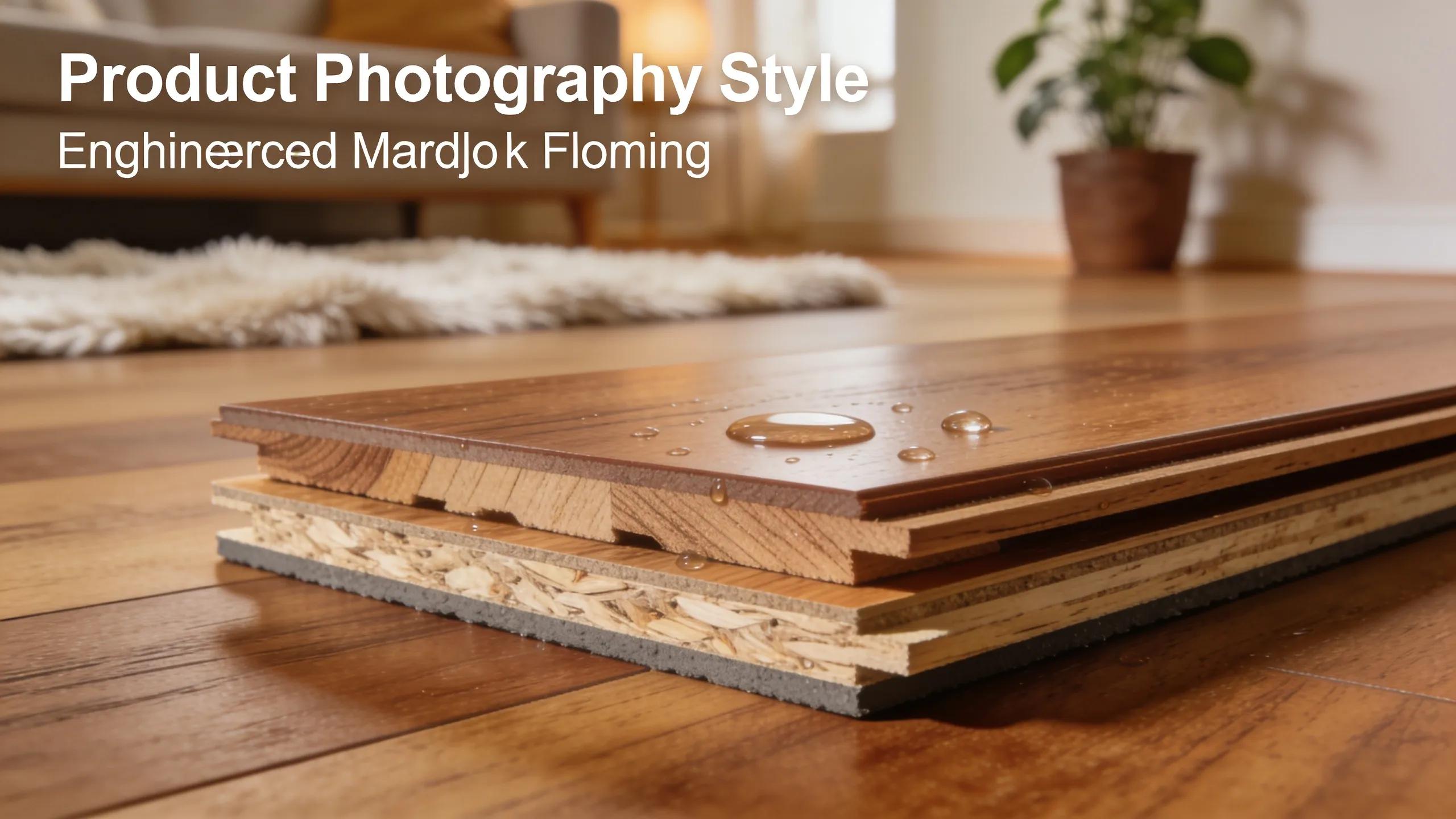
The durability of engineered hardwood floors stems from their sophisticated design and material selection. The multilayer construction, featuring a hardwood veneer on top and high-density fiberboard or plywood beneath, results in a stable product capable of withstanding varying environmental conditions. This layered approach significantly enhances resistance to moisture, making engineered hardwood suitable for basements and kitchens, where solid hardwood may falter.
How Does Engineered Wood Flooring Resist Moisture and Scratches?
Engineered wood’s multi-layered design contributes significantly to its moisture resistance. The core layers are engineered to minimize the effects of humidity, preventing the expansion and contraction that solid hardwood often experiences. Furthermore, the wear layer protects the floor from scratches, ensuring that your floors look great even in high-traffic areas.
What Construction Layers Enhance the Longevity of Engineered Hardwood?
The longevity of engineered hardwood largely depends on its construction layers. The top veneer typically ranges from 0.6mm to 4mm, and the thicker the veneer, the more times it can be sanded and refinished. The stable core layer is usually made from plywood or high-density fiberboard, which enhances resistance to moisture and impact, while also providing a strong foundation that contributes to overall durability.
Maintenance Requirements
One of the standout benefits of engineered hardwood flooring is its relatively easy maintenance compared to solid hardwood. Homeowners can enjoy beautiful flooring without the intensive care required by traditional options. Regular sweeping or vacuuming combined with occasional damp mopping is usually sufficient to maintain the look and longevity of engineered hardwood floors.
How Can You Maintain Engineered Hardwood Flooring with Ease?
Maintaining engineered hardwood floors is straightforward. Here are some best practices:
- Regular Cleaning: Sweep or vacuum regularly to remove dirt and debris that can scratch the surface.
- Damp Mopping: Use a slightly damp mop with a suitable hardwood floor cleaner for deeper cleaning. Avoid excessive water, which can damage the wood.
- Humidity Control: Keep indoor humidity levels stable to prevent expansion and contraction.
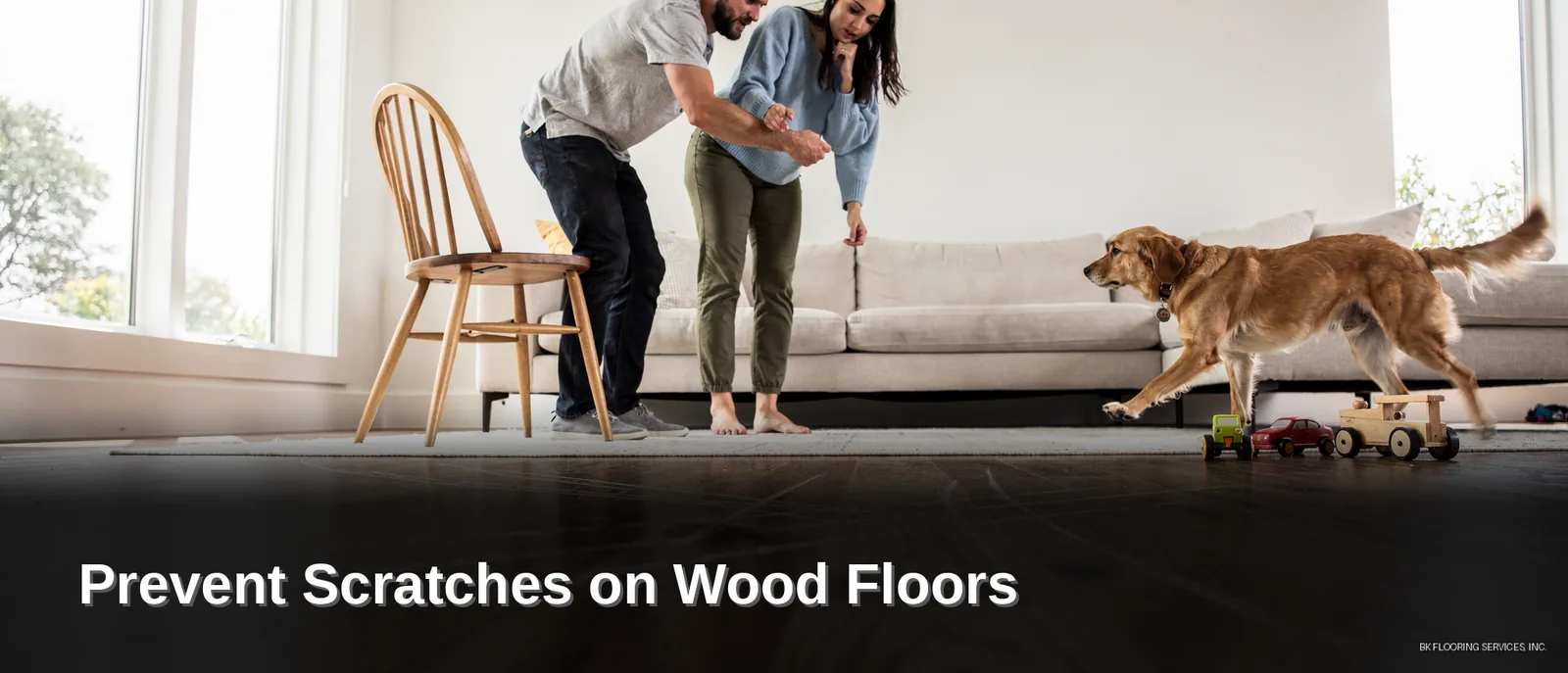
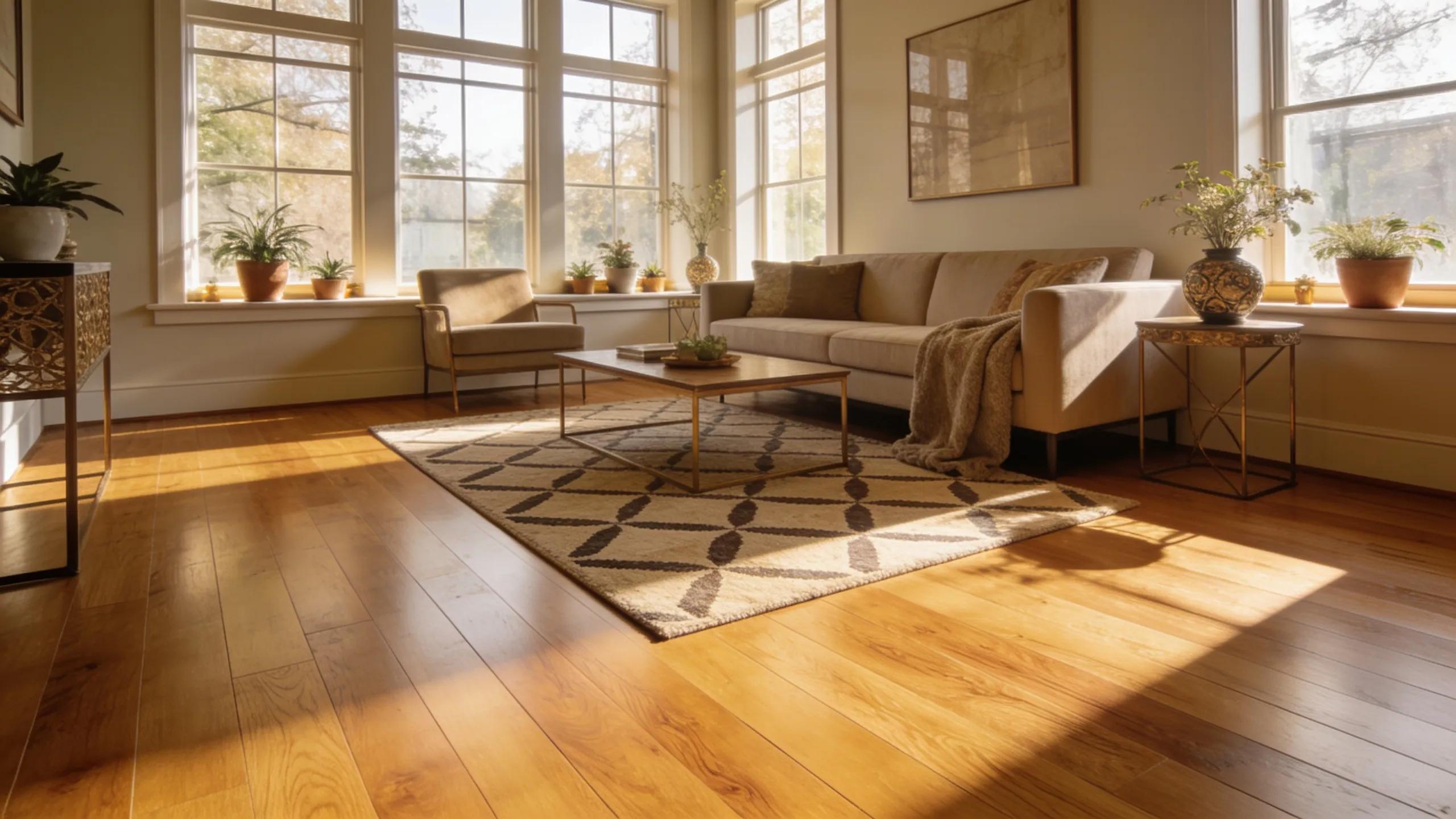
- Protective Measures: Utilize rugs in high-traffic areas and felt pads under furniture legs to minimize scratches.
What Are the Best Practices for Engineered Hardwood Floor Maintenance?
To preserve your engineered hardwood’s appearance and durability, consider the following maintenance practices:
- Use gentle cleaning products that are specifically formulated for engineered hardwood.
- Promptly clean up spills to avoid moisture damage.
- Regularly check for wear in high-traffic areas and take preventive action when necessary.
- Schedule professional cleaning and inspections as needed to maintain the integrity of your flooring.
Cost-Effectiveness
When comparing engineered hardwood to various flooring options, its cost-effectiveness becomes apparent. Generally, engineered hardwood is more affordable than solid hardwood, providing similar aesthetic benefits without the hefty price tag.
How Does the Cost of Engineered Hardwood Floors Compare to Solid Hardwood?
In price comparisons between engineered hardwood and solid hardwood, engineered flooring frequently offers savings without compromising on style or quality. To illustrate, installed costs for engineered hardwood generally range from $3 to $12 per square foot compared to solid hardwood, which can be $8 to $15 per square foot. This price difference can significantly impact your overall budget when undertaking a flooring project for homes or commercial spaces.
What Factors Influence the Price of Engineered Hardwood Flooring?
Several factors can influence the pricing of engineered hardwood flooring:
- Material Quality: The type of wood used for the top veneer can dictate prices—exotic hardwoods typically cost more.
- Thickness of the Wear Layer: Thicker wear layers can extend the lifespan of the floor but may also increase the cost.
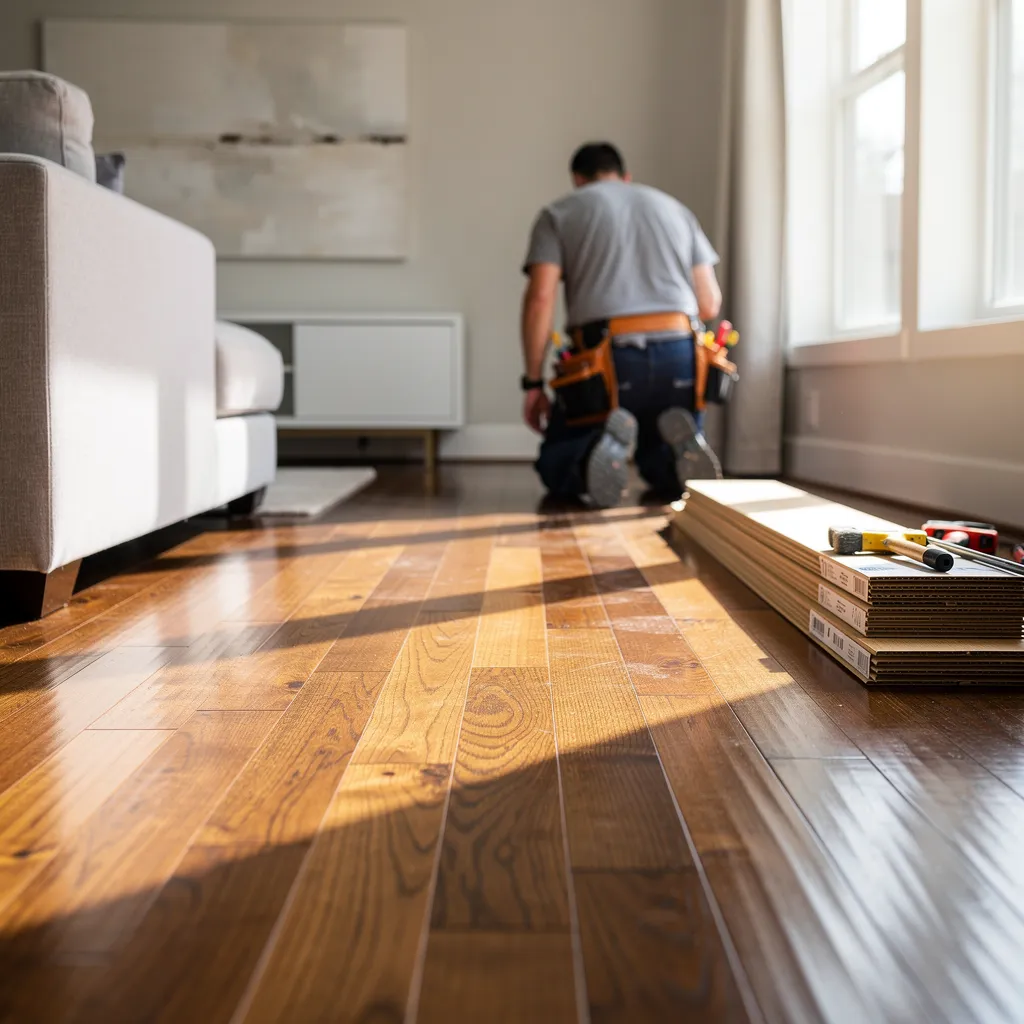
- Installation Complexity: If the flooring requires specialized installation techniques, this could add to labor costs.
Is Engineered Hardwood a Cost-Effective Choice for Homes and Businesses?
Overall, engineered hardwood flooring is a cost-effective solution, providing an impressive aesthetic at a lower price point than many solid wood options. Additionally, its durability and low maintenance requirements translate into long-term savings for homeowners and businesses alike.
Style Options
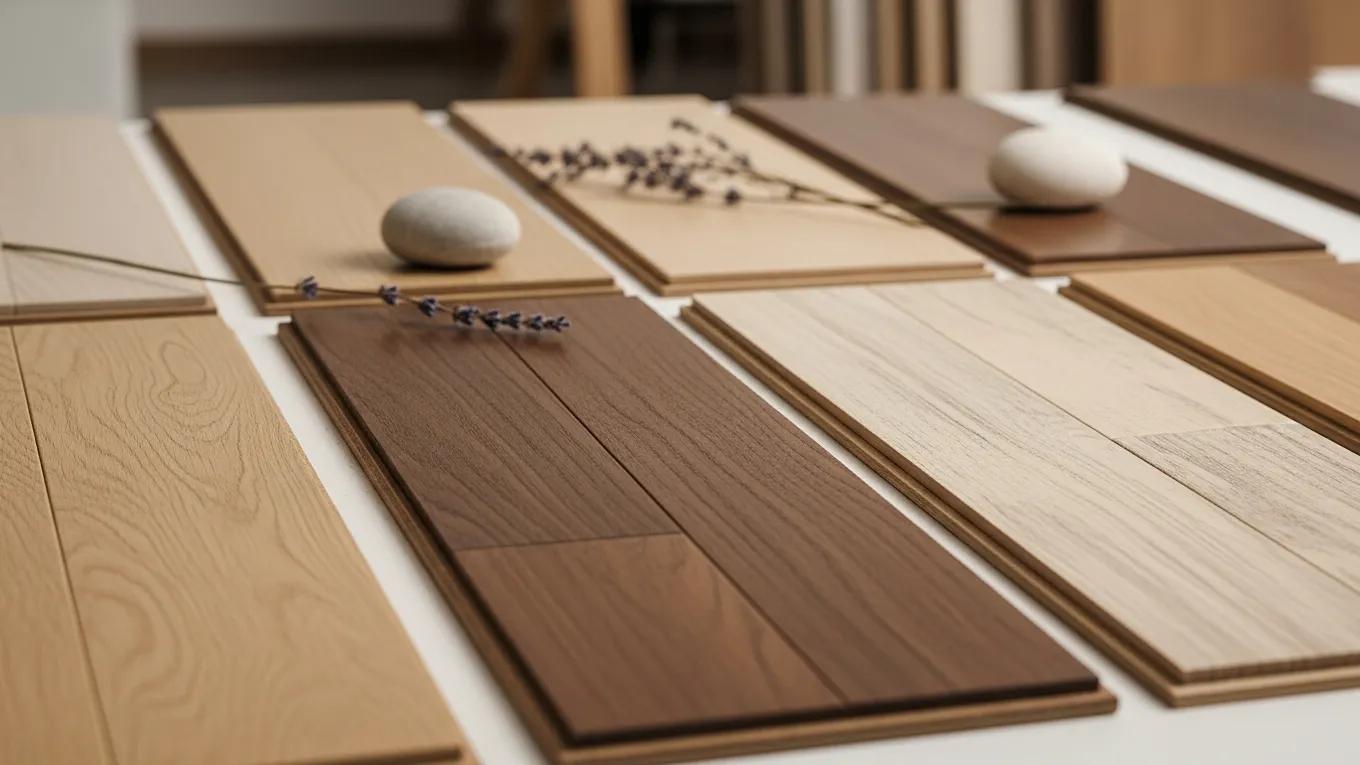
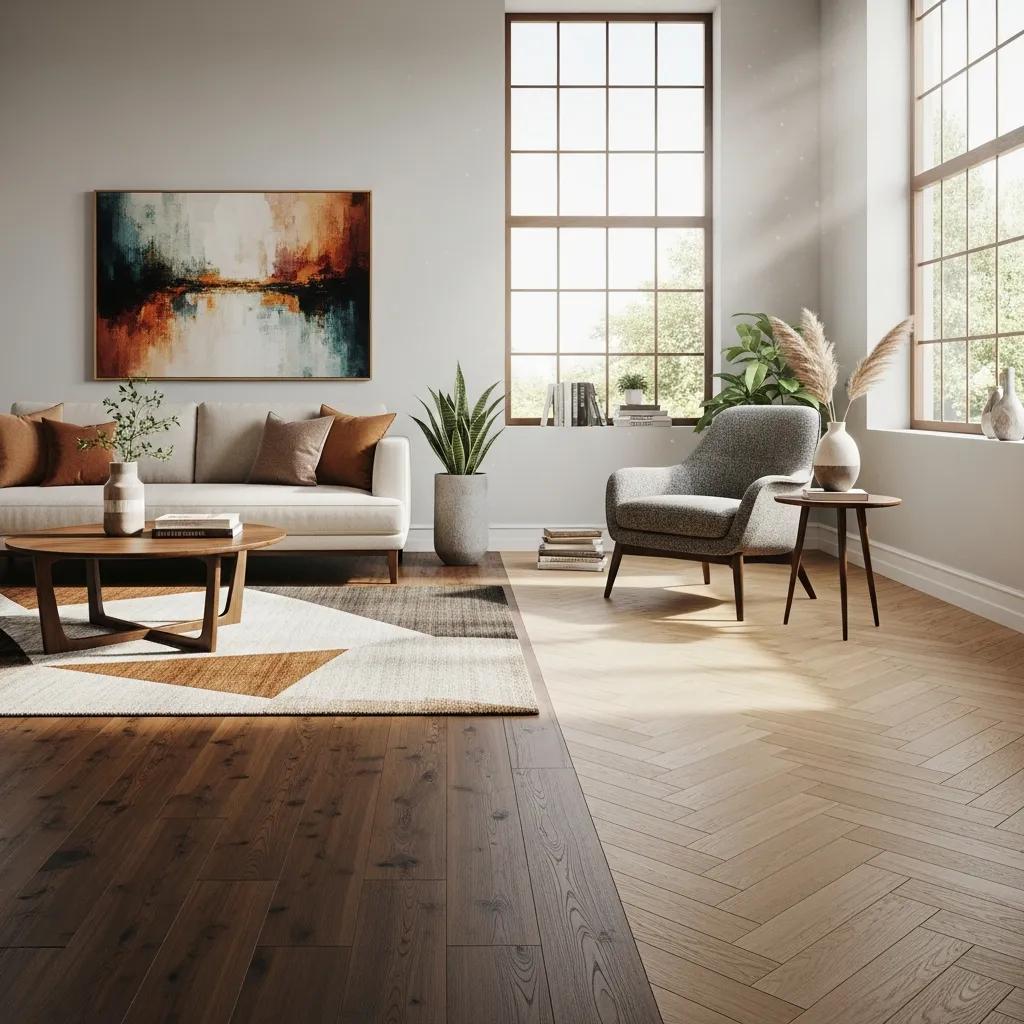
Engineered hardwood floors come in a vast array of styles, colors, and finishes. This versatility allows homeowners to find the perfect match for their aesthetic vision.
What Are the Aesthetic and Style Versatility Benefits of Engineered Hardwood?
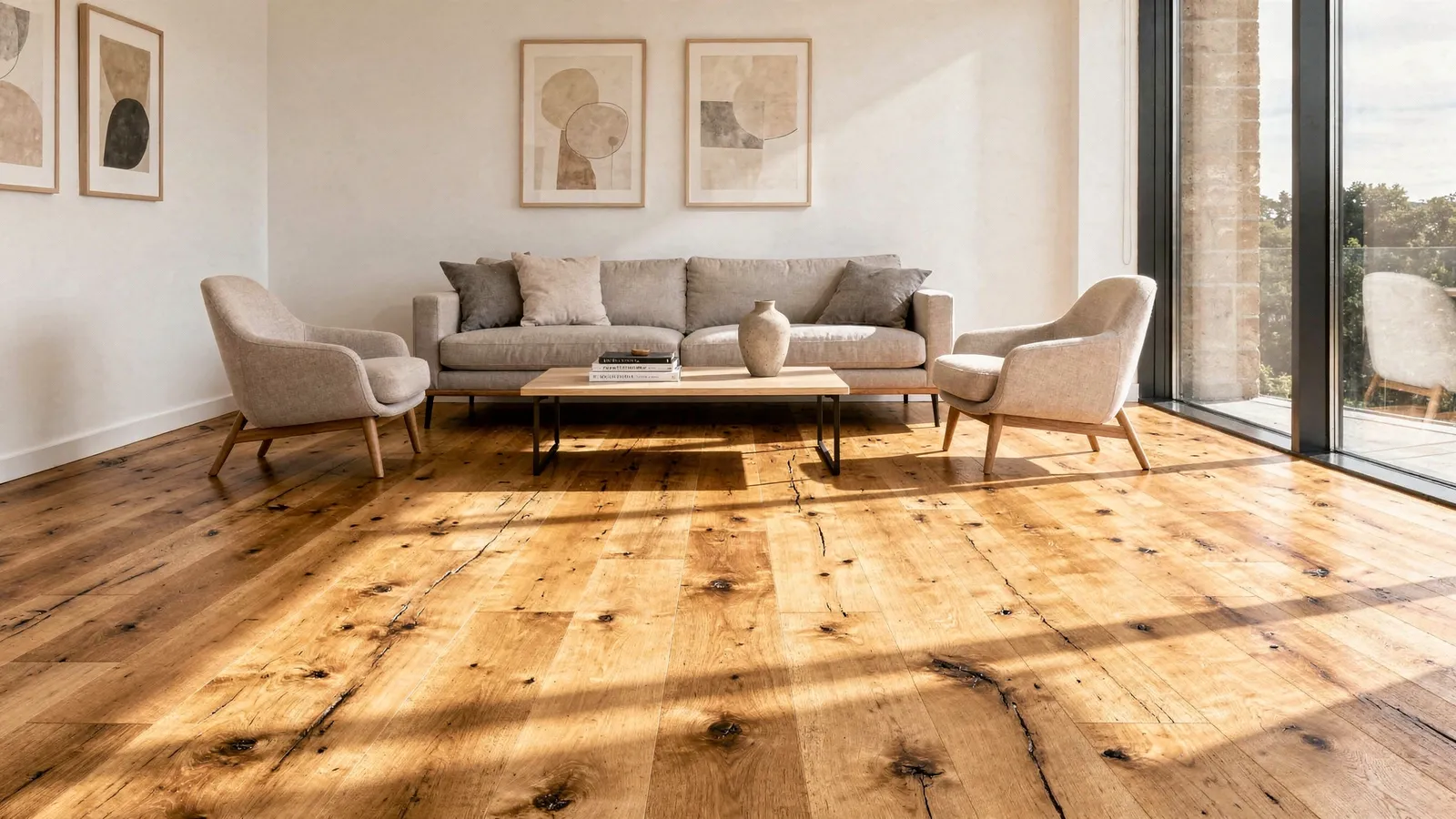
The aesthetic options available in engineered hardwood flooring are extensive. With a broad selection of wood species, finishes, and textures, you can achieve everything from a rustic to a contemporary look. This versatility enables homeowners to customize their interiors effortlessly, ensuring that the flooring complements their style while enhancing overall ambiance.
How Do Environmental and Sustainability Factors Favor Engineered Hardwood Floors?
Engineered hardwood floors often utilize wood from sustainable sources, which provides an environmentally-friendly alternative to solid hardwood. By maximizing the use of lower-quality logs for their core layers while maintaining a high-quality veneer, engineered hardwood reduces waste and promotes responsible harvesting practices.
This table compares the significant features of engineered hardwood floors, showcasing their durability, maintenance needs, cost-effectiveness, and aesthetic versatility.
Engineered hardwood floors not only promise durability and style but also offer comprehensive benefits, ensuring that they stand out as a premier flooring choice for varied settings. By choosing engineered hardwood, you invest in flooring that is not only beautiful but also resilient, cost-effective, and environmentally sustainable.
Frequently Asked Questions
What are the installation options available for engineered hardwood flooring?
Engineered hardwood flooring can be installed using various methods, including floating, glue-down, and nail-down techniques. The floating method involves placing planks over an underlayment without adhesive or nails, making it a popular choice for DIY enthusiasts. Glue-down installation provides a strong bond directly to the subfloor, ideal for areas with high foot traffic. Nail-down is typically used for thicker planks and can create a more traditional feel. Choosing the right installation method often depends on your subfloor type, personal preference, and budget.
Can engineered hardwood flooring be refinished?
Yes, engineered hardwood flooring can be refinished, but the extent to which it can be sanded and refinished depends on the thickness of the top veneer. Most engineered hardwoods have a veneer thickness ranging from 0.6mm to 4mm. Thicker veneers can endure multiple refinishing processes, while thinner veneers can be sanded only once or twice. Refinishing not only helps restore the floor’s appearance but also extends its lifespan, making it a worthwhile maintenance practice for keeping your floors looking brand new.
Is engineered hardwood suitable for below-grade installations?
Engineered hardwood is well-suited for below-grade installations, such as in basements, due to its superior moisture resistance. Unlike solid hardwood, engineered flooring is less likely to warp or buckle in areas with higher humidity. However, it’s essential to ensure that the basement is adequately waterproofed and climate-controlled to maintain stability. Installing a moisture barrier can provide additional protection, making engineered hardwood a reliable choice for spaces that experience fluctuating humidity levels.
How does engineered hardwood flooring contribute to home value?
Engineered hardwood flooring can enhance your home’s value by offering an attractive and durable flooring option that appeals to potential buyers. Its aesthetic versatility, appealing to a range of styles, makes it a desirable feature in any home. Additionally, as a cost-effective alternative to solid hardwood, it allows homeowners to achieve a high-end look without excessive investment. Many prospective buyers recognize engineered hardwood as a quality flooring solution, often leading to higher home resale values.
Are there any environmental benefits associated with engineered hardwood floors?
Yes, engineered hardwood floors offer several environmental benefits. They often use materials sourced from sustainable forests, which helps reduce the impact on natural wood ecosystems. By utilizing lower-quality wood for the core layers while maintaining a high-quality veneer, engineered hardwood maximizes material usage and minimizes waste. This approach promotes responsible harvesting practices, making it a greener flooring option compared to traditional solid hardwood flooring that may deplete forests. Choosing engineered hardwood can contribute to eco-friendly home renovations.
What cleaning products are recommended for engineered hardwood flooring?
Using the right cleaning products is essential for maintaining engineered hardwood floors. It is best to opt for cleaners specifically formulated for hardwood surfaces to avoid damaging the finish. Look for pH-balanced, non-toxic cleaners that do not contain harsh chemicals. Avoid vinegar or ammonia-based solutions, as they can cause discoloration over time. Regular sweeping or vacuuming, combined with damp mopping using the appropriate cleaner, will help preserve the floor’s beauty and durability while ensuring a deep clean without harsh effects.
Conclusion
Engineered hardwood floors offer a blend of durability, low maintenance, and aesthetic appeal, making them a smart choice for any home or business. Their cost-effectiveness enhances value, ensuring you achieve the style you desire without stretching your budget. To discover the perfect engineered hardwood flooring options tailored to your needs, give us a call today. Embrace the elegance and practicality of engineered hardwood and elevate your space effortlessly.