Durability Comparison of Hardwood Floor Types: Which Hardwood Flooring Is Best for Long-Lasting Use?
Choosing a floor that withstands daily wear requires understanding how hardness, wood species, and finishes combine to promote longevity. Homeowners, business owners, and property managers rely on the durability of different hardwood floor types to maintain beauty and performance over decades. This guide reveals the Janka Hardness Scale and its impact on wear resistance, compares top domestic and exotic woods, contrasts solid and engineered constructions, explores finishes and maintenance techniques, and offers tailored selection advice for various lifestyles. It also highlights how professional installation and refinishing services from BK Flooring Services Inc. enhance floor resilience for lasting value.
What Is the Janka Hardness Scale and Why Does It Matter for Hardwood Durability?
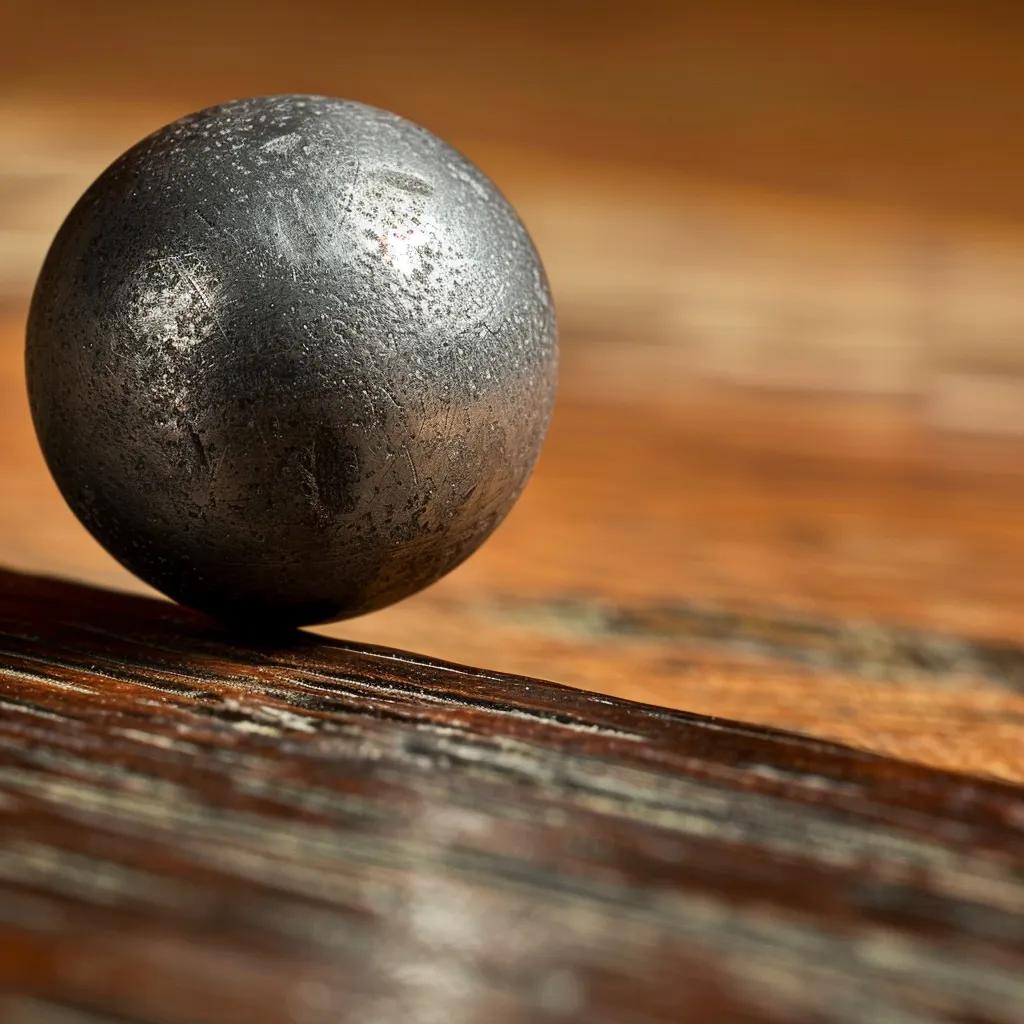
The Janka Hardness Scale is an industry-standard measurement of wood’s resistance to denting, defined by the force needed to embed a 0.444-inch steel ball halfway into the wood surface. By quantifying indentation resistance, the scale directly predicts scratch resistance and long-term wear performance, guiding customers toward floors that support high-traffic areas and active lifestyles. Understanding these ratings lays the groundwork for comparing species and construction types in subsequent sections.
Janka Hardness Scale Overview
The Janka Hardness Scale is a standard measure of wood’s resistance to denting and wear, determined by the force needed to embed a steel ball into the wood. This scale is crucial for predicting a hardwood floor’s scratch resistance and overall durability, guiding consumers in selecting appropriate flooring for different traffic levels.
Forest Products Laboratory, Wood Handbook: Wood as an Engineering Material (2010)
This source provides a foundational understanding of the Janka Hardness Scale, which is essential for understanding the article’s discussion of wood durability.
How Is the Janka Hardness Test Performed?
The Janka test presses a calibrated steel ball into a wood sample under a controlled machine load to measure indentation resistance.
- Force Application: A hydraulic press delivers pounds-force (lbf).
- Ball Diameter: A 0.444-inch steel sphere ensures consistency.
- Depth Measurement: The test records the force at half-diameter embedment.
This method yields a numerical score that predicts floor performance, leading us to examine scale limitations next.
What Are the Limitations of the Janka Scale in Flooring Durability?
Despite its industry standard status, the Janka Scale does not account for factors such as finish quality, grain orientation, or moisture fluctuations that influence real-world performance. Some woods with moderate Janka ratings outperform harder species when paired with advanced finishes or engineered constructions. Recognizing these constraints helps homeowners balance hardness with other durability factors, preparing us to explore species selection guided by Janka ratings.
How Does Janka Rating Influence Hardwood Floor Selection?
A higher Janka rating indicates greater indentation resistance, which typically translates into improved scratch and dent performance in busy environments. When selecting hardwood, matching the rating to your site’s traffic level ensures optimal wear resistance and reduces maintenance costs. This principle guides the comparison of popular domestic and exotic species in the following sections.
Which Domestic Hardwood Floor Types Offer the Best Durability?
Wood Species Durability Comparison
Different wood species exhibit varying degrees of hardness and durability, which influences their suitability for different applications. For example, Hickory is the hardest domestic species, while Ipe is among the hardest commercial flooring species. These differences are critical when choosing flooring for high-traffic areas or moisture-prone environments.
American Wood Council, Wood Construction Manual (2018)
This citation supports the article’s comparison of different wood species and their respective durability characteristics, which is a key aspect of the article.
Domestic hardwoods combine local availability with proven performance. By comparing their Janka ratings, grain patterns, and moisture resilience, customers can choose floors that balance cost, appearance, and wear resistance. The tables and descriptions below highlight top domestic options and their ideal applications.
How Durable Is Hickory Flooring Compared to Other Domestic Woods?
Hickory flooring holds a Janka rating of 1820 lbf, making it the hardest common domestic species. Its dense grain structure enhances dent resistance and supports heavy furniture loads without compromising appearance. Hickory’s natural variation in color and pattern also hides minor scratches, encouraging its use in mudrooms, kitchens, and hallways where durability is paramount.
What Are the Durability Differences Between Red Oak and White Oak?
Red Oak and White Oak share similar aesthetics but differ in hardness and moisture resistance.
| Wood Species | Janka Rating (lbf) | Moisture Resistance | Ideal Use Cases |
|---|---|---|---|
| Red Oak | 1290 | Moderate | Living rooms, offices |
| White Oak | 1360 | High | Kitchens, basements |
White Oak’s tighter grain and higher tannin content improve dimensional stability in humid environments. This comparison underscores why White Oak often outperforms Red Oak in moisture-prone areas.
How Does Maple Hardwood Flooring Perform in High-Traffic Areas?
Maple achieves a 1450 lbf rating and features a fine, uniform grain that resists scratches and scuffs. Its light color reflects interior light, reducing visible wear in entryways and commercial spaces. Although less dent-resistant than Hickory, maple’s consistent hardness and smooth finish make it a top choice for gyms, retail floors, and busy family homes.
What Are the Durability Characteristics of Other Domestic Hardwoods Like Ash, Walnut, and Pine?
Domestic species beyond oak and hickory serve niche needs depending on hardness and aesthetics.
| Species | Janka Rating (lbf) | Scratch Resistance | Typical Applications |
|---|---|---|---|
| Ash | 1320 | Good | Dining rooms, studies |
| Walnut | 1010 | Fair | Bedrooms, lounges |
| Pine | 870 | Moderate | Rustic spaces, cabins |
Ash offers oak-like resilience with distinctive grain, while walnut’s rich tone suits low-traffic areas. Pine, though softer, provides an affordable, character-rich option for light-use rooms.
Next, we’ll examine the extreme durability of exotic hardwoods.
How Do Exotic Hardwood Floor Types Compare in Durability?
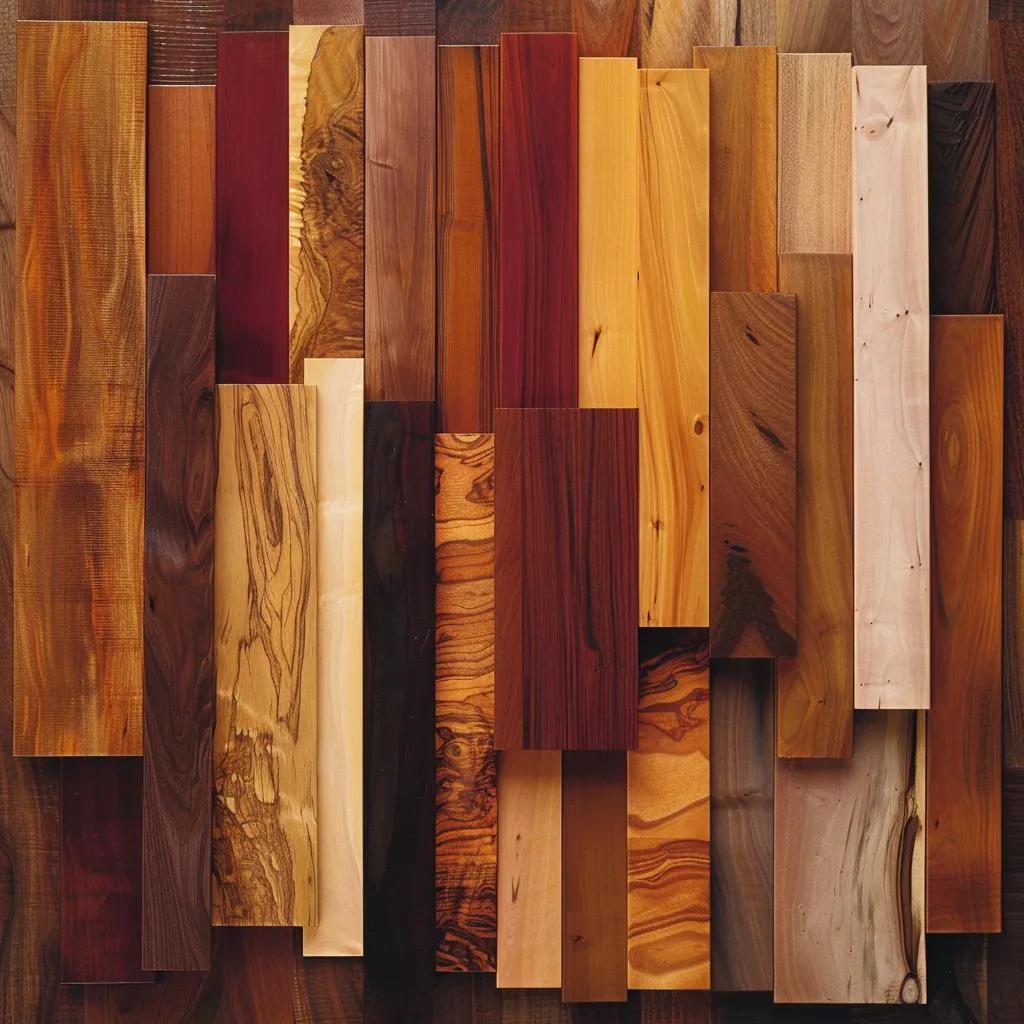
Exotic species deliver remarkable hardness and unique aesthetics but often require specialized installation techniques. By evaluating their Janka ratings and wear properties, property managers and homeowners can justify premium investments in high-end applications.
Why Is Brazilian Cherry (Jatoba) Considered a Durable Exotic Hardwood?
Brazilian Cherry scores between 2350 and 2820 lbf, combining dense fibers with deep red hues that intensify over time. Its tight grain pattern resists denting and promotes even wear, making it ideal for upscale commercial lobbies and formal living spaces. The high rating ensures superior scratch resistance, supporting heavy foot traffic without rapid surface abrasion.
What Makes Brazilian Walnut (Ipe) the Hardest Hardwood Floor Available?
Brazilian Walnut, or Ipe, achieves a staggering 3680 lbf rating, making it one of the hardest commercial flooring species on the market. Its ultra-dense cellular structure delivers unmatched dent resistance and longevity, even in outdoor or marine-grade applications when properly finished. Installation requires pre-drilling and specialized fasteners, but the payoff is decades of near-impervious performance.
How Do Other Exotic Hardwoods Like Tigerwood, Teak, and Mahogany Perform?
Other exotics combine hardness with distinct aesthetics in the following ways:
- Tigerwood (2160 lbf): Striking grain contrast and strong wear resistance suit showrooms and feature walls.
- Teak (1155 lbf): Natural oils enhance moisture resistance, ideal for kitchens and baths.
- Mahogany (800–2200 lbf): Moderate hardness but elegant color depth supports light to medium traffic.
These species demonstrate that exotic hardwoods can outperform domestic woods in both wear resistance and visual impact, leading us to consider how construction type further influences durability.
What Are the Durability Differences Between Solid and Engineered Hardwood Flooring?
Construction type fundamentally shapes a floor’s performance under moisture and load. Understanding these differences ensures the right selection for each environment.
How Does Solid Hardwood Flooring Hold Up in Terms of Durability?
Solid hardwood planks consist of a single piece of wood, offering multiple sanding and refinishing cycles for decades of use. This construction provides maximum hardness and authentic aging characteristics. However, solid wood can cup or warp in basements or areas with high humidity unless properly acclimated and installed with moisture barriers.
Why Is Engineered Hardwood More Moisture-Resistant and Stable?
Engineered hardwood features a multi-ply core beneath a hardwood veneer, which balances cross-layer grains to resist expansion and contraction. This layered design enhances moisture stability, reducing the risk of cupping and gapping in kitchens, laundry rooms, and below-grade spaces. Engineered planks often arrive prefinished, boosting scratch resistance from the outset.
Which Flooring Type Is Best for High-Traffic or Moisture-Prone Spaces?
| Construction Type | Durability Factor | Ideal Locations |
|---|---|---|
| Solid Hardwood | Refinishable hardness | Living rooms, hallways |
| Engineered | Moisture stability | Basements, kitchens, bathrooms |
How Do Finishes and Maintenance Affect Hardwood Floor Durability?
Beyond species and construction, finish systems and upkeep practices dramatically extend a floor’s lifespan. Applying the right topcoat and following maintenance routines guards against wear and environmental damage.
What Are the Best Finishes for Scratch and Wear Resistance?
Finishes fortified with aluminum oxide, ceramic beads, or UV-cured polyurethane create a protective barrier that enhances surface hardness and reduces abrasion.
- Aluminum Oxide Finishes provide industrial-grade scratch protection.
- UV-Cured Polyurethane delivers rapid curing and exceptional wear resistance.
- Ceramic-Enhanced Coatings combine flexibility with micro-abrasion shielding.
These advanced finishes ensure floors maintain their appearance under heavy use, setting the stage for effective maintenance strategies.
How Does Regular Maintenance Extend Hardwood Floor Lifespan?
Consistent care prevents dirt-grit abrasion and moisture damage through simple actions:
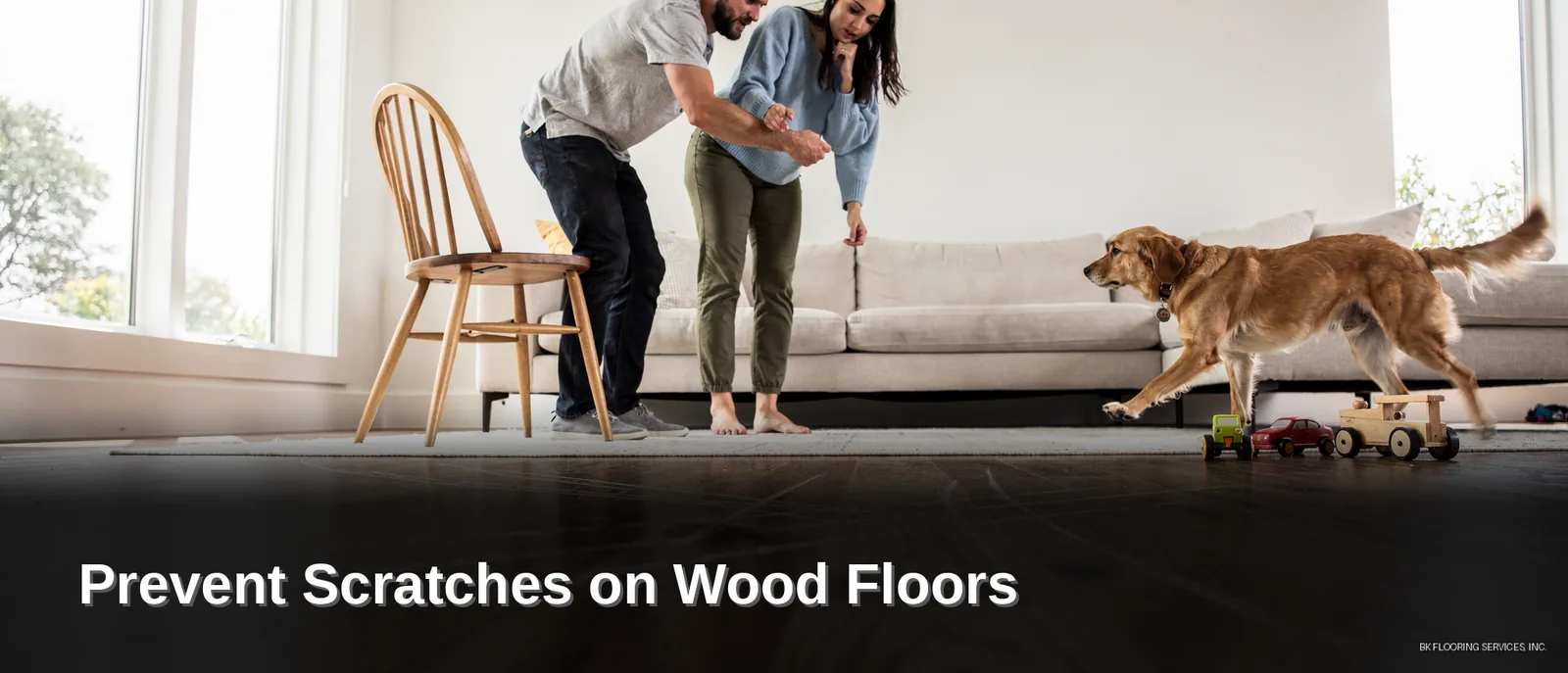
- Use protective pads under furniture legs to prevent indentations.
- Clean with pH-neutral hardwood cleaners to preserve finish integrity.
- Control indoor humidity between 35–55% to minimize expansion and contraction.
Routine maintenance supports the finish system’s protective function and delays the need for refinishing.
What Are Common Mistakes That Reduce Hardwood Floor Durability?
Avoid practices that compromise finish and wood integrity:
- Dragging heavy furniture without protective sliders can gouge surfaces.
- Using oil-soap cleaners leaves residues that dull finishes.
- Allowing standing water to penetrate seams promotes warping.
By steering clear of these errors, floors retain structural strength and visual appeal longer, preparing you to select the right hardwood for your lifestyle.
How to Choose the Most Durable Hardwood Flooring for Your Lifestyle and Space?
Selecting the optimal hardwood involves matching species characteristics, finish systems, and maintenance demands to your unique usage patterns. This ensures a floor that not only looks great but endures daily stresses.
Which Hardwood Floors Are Best for High-Traffic Residential and Commercial Areas?
- Hickory (1820 lbf) enhances resilience in busy living rooms and commercial lobbies.
- Maple (1450 lbf) supports injury-free, visible-wear reduction in gyms and boutiques.
- Brazilian Cherry (2350–2820 lbf) delivers long-term performance in public venues.
Prioritizing high Janka ratings and advanced finishes ensures floors stand up to constant foot traffic.
What Hardwood Types Are Ideal for Homes with Pets and Children?
- Hickory’s dense grain hides minor scratches and dents.
- White Oak’s moisture resistance repels pet accidents.
- Engineered Maple with UV finish combines hardness and cleanability.
Which Hardwood Floors Perform Best in Moisture-Prone Areas Like Kitchens and Basements?
- Engineered White Oak balances moisture stability and moderate hardness.
- Teak’s natural oils fend off water penetration in baths and kitchens.
- Solid White Oak with water-based finish provides refinishing flexibility and moisture defense.
How Can Professional Installation and Refinishing Services Enhance Hardwood Floor Durability?
Expert craftsmanship and timely refinishing reinforce a floor’s structural integrity, protecting your investment and extending service life well beyond initial expectations.
Why Is Expert Hardwood Flooring Installation Crucial for Long-Term Durability?
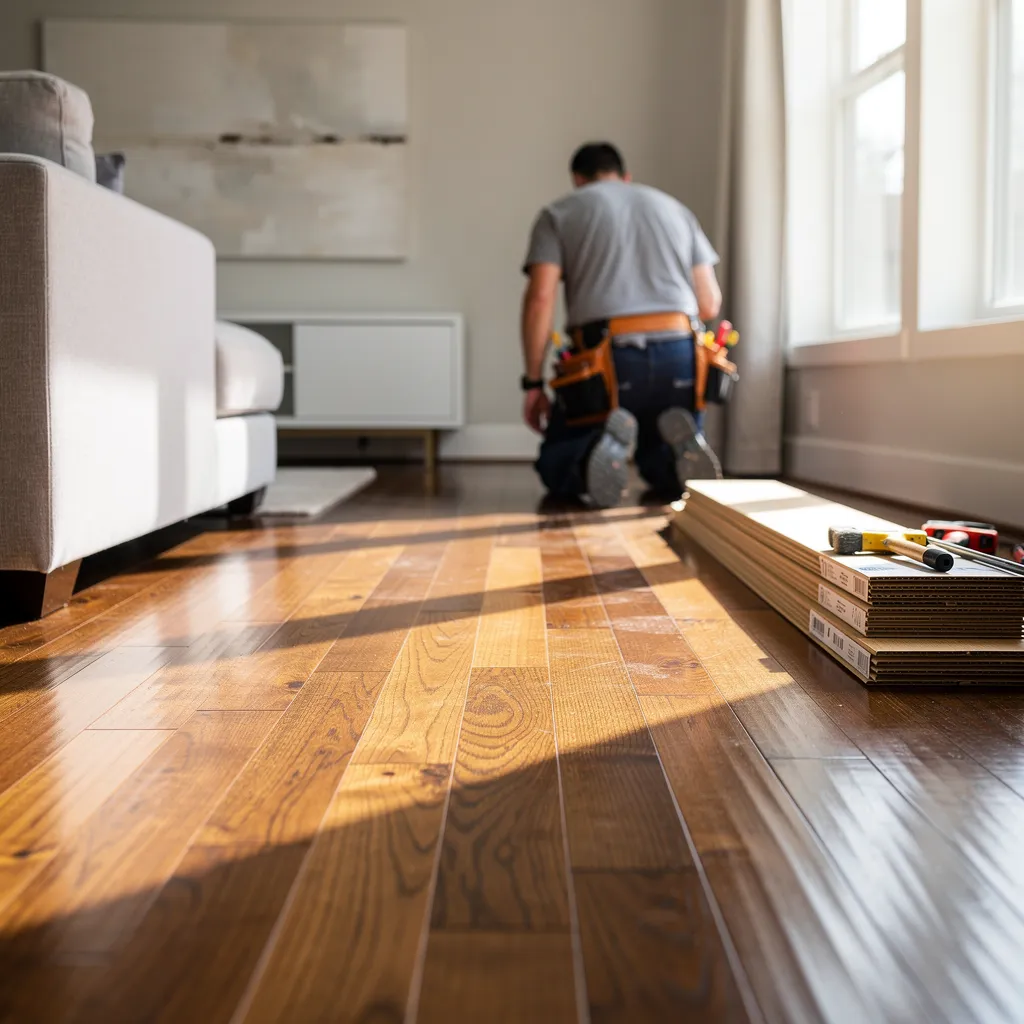
Professional installers ensure proper acclimation, precise nailing patterns, and correct moisture barriers, which eliminate gaps, cupping, and warping. These meticulous practices create a stable foundation that supports even wear and simplifies future maintenance.
How Does Hardwood Floor Refinishing Restore and Improve Durability?
Refinishing removes surface blemishes, relevels uneven areas, and applies fresh protective coatings that reestablish factory-grade scratch resistance. This process restores structural hardness and can add modern finish enhancements, improving performance without replacing the entire floor.
When Should You Consider Refinishing to Maintain Hardwood Floor Strength?
Plan refinishing when finishes wear through—typically every 7–10 years in high-traffic zones—or when visible scratches and dullness develop. Early refinishing prevents deeper wood damage and maintains consistent surface hardness, ensuring floors remain both beautiful and resilient.
Wood selection guided by Janka ratings, construction choices, and finish systems forms the foundation of a long-lasting hardwood floor. By matching species hardness to traffic demands, controlling moisture with engineered options, and applying premium finishes, homeowners and property managers secure years of performance. Regular maintenance and professional installation or refinishing from BK Flooring Services Inc. further protect your investment, promoting sustained durability and aesthetic appeal. Reach out today to explore durable hardwood flooring solutions tailored to your lifestyle and space needs.