Top Tips for Seasonal Hardwood Flooring Maintenance: Comprehensive Maintenance and Protection Guide
Hardwood flooring suffers nearly 30 percent of its wear from seasonal swings in humidity and temperature, leading to gaps, cupping, and finish degradation if left unaddressed. This guide reveals why seasonal maintenance for hardwood flooring is essential, how to adapt care routines for spring, summer, fall, and winter, strategies for humidity control, scratch prevention tactics, recommended cleaning schedules, and professional intervention triggers. Homeowners, business owners, and property managers will gain actionable steps and expert-recommended tools—backed by BK Flooring Services Inc. Marietta’s experience in installation, sanding, and refinishing—to protect and extend the life of their hardwood investment year-round.
Why Is Seasonal Maintenance Crucial for Hardwood Flooring?
Seasonal maintenance for hardwood flooring combines timely inspection, cleaning, and humidity management to preserve appearance and structural integrity. By aligning care routines with environmental changes, wood movement is anticipated and damage is minimized through proactive measures. For example, adjusting moisture levels before winter prevents gapping, and applying protective finishes in summer wards off UV fade.
Common benefits of seasonal maintenance include:
- Improved dimensional stability through timely humidity control
- Reduced surface wear by addressing seasonal traffic patterns
- Extended finish longevity by preventing moisture-related damage
Seasonal Maintenance Benefits
Seasonal maintenance of hardwood floors involves timely inspection, cleaning, and humidity management to preserve appearance and structural integrity. Adapting care routines to environmental changes helps anticipate wood movement and minimize damage through proactive measures.
National Wood Flooring Association
, NWFA Technical Manual (2022)
This citation reinforces the article’s core message about the benefits of seasonal maintenance for hardwood floors.
Anticipating wood’s natural response to climate lays the foundation for specific seasonal routines that follow.
How Do Seasonal Changes Affect Hardwood Floors?
Hardwood expands in high humidity and contracts when indoor air becomes dry, owing to its hygroscopic nature. This cycle of moisture absorption and release causes plank movement: swelling in summer can create cupping, while shrinkage in winter yields visible gaps. Understanding expansion → contraction dynamics helps predict common issues and plan corrective actions.
This interplay of moisture and wood movement directly leads to the typical damage types detailed next.
What Are Common Hardwood Floor Problems Caused by Seasonal Variations?
| Condition | Cause | Effect |
|---|---|---|
| Cupping | Excess indoor humidity | Board edges rise, creating a convex shape |
| Gapping | Low relative humidity | Visible separation between planks |
| Crowning | Over‐moisture plus sanding | Center of planks swells above edges |
| Buckling | Extreme moisture spike | Planks lift and detach from subfloor |
When Should You Seek Professional Hardwood Floor Refinishing or Repair?
Consider professional intervention when seasonal stress leads to:
- Boards with permanent cupping or crowning
- Gaps exceeding 1/8 inch across multiple planks
- Deep scratches, worn finishes, or moisture stains
- Buckled or loose boards that compromise safety
Calling in a flooring expert ensures precise sanding, refinishing, or board replacement before minor flaws escalate.
How Should You Care for Hardwood Floors in Each Season?
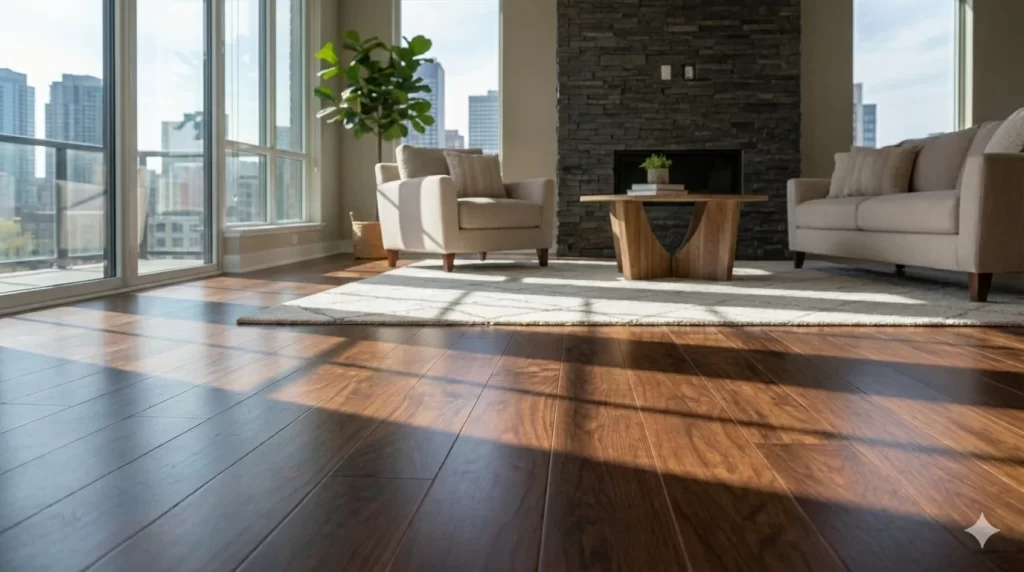
Adapting maintenance to each season prevents common seasonal wear and keeps floors in top condition. A structured approach—spring cleaning, summer humidity control, fall preparations, and winter protection—aligns tasks with environmental triggers and supports long-term floor health.
What Are the Best Practices for Spring Hardwood Floor Maintenance?
Spring care restores floors after winter’s dryness and grit. Begin by inspecting for gaps and deep scratches, then perform a gentle deep clean using a pH-neutral wood cleaner. Finally, apply a light coat of finish or polishing product to renew surface protection and enhance scratch resistance.
Key spring steps:
- Remove debris and grit with a microfiber mop and soft-bristle broom
- Spot-repair minor scratches using matching wood filler or stain pen
- Apply a thin layer of maintenance finish to seal minor wear
Reviving the finish in spring sets the stage for summer’s humidity challenges.
How Do You Protect Hardwood Floors During Summer Humidity and Sun Exposure?
Summer’s high moisture and UV rays can warp and fade wood. Maintain indoor humidity between 35 percent and 55 percent with dehumidifiers or air conditioning. Install UV-blocking window treatments and rotate rugs to prevent uneven discoloration. Place mats at high-traffic entrances to catch sand and dirt.
Summer protection tactics:
- Run dehumidifier or HVAC to stabilize indoor moisture
- Use roller blinds or UV-filtering film on sunlit windows
- Position entryway mats to trap abrasive particles
Guarding against moisture spikes and sunlight damage prevents cupping and finish breakdown.
What Preparations Are Needed for Fall Hardwood Floor Protection?
As outdoor humidity drops in fall, wood dries and contracts. Check expansion gaps at baseboards and fill small spaces with a flexible wood filler if needed. Apply a protective finish to seal pores before dryness intensifies. Clean under furniture and add felt pads to shield floors from shifting décor.
Fall prep checklist:
- Inspect and adjust expansion gaps around perimeter
- Seal minor gaps with elastic floor sealant
- Refresh surface finish to lock out dry air
Fortifying gaps and finishes in fall prevents winter shrinkage issues.
How Can You Maintain Hardwood Floors in Winter’s Dry and Harsh Conditions?
Winter’s low humidity can split wood and lift finish cracks. Use a humidifier to keep indoor relative humidity around 40 percent. Sweep grit promptly to avoid scratches from road salt. Choose a microfiber dry mop to remove fine dust, and avoid wet mopping that drives further moisture loss.
Winter maintenance steps:
- Operate a room humidifier to sustain 35 – 45 percent humidity
- Install entry mats outside and inside to trap salt and slush
- Vacuum with soft attachments and damp mop sparingly
By balancing moisture and grit control in winter, floors remain crack-free and protected.
How Does Humidity Impact Hardwood Flooring and How Can You Control It?
Maintaining optimal humidity is crucial because wood is hygroscopic—it absorbs and releases moisture, affecting plank dimensions and finish performance. Controlled humidity prevents warping, gapping, and finish failure while supporting seasonal maintenance strategies.
Humidity Control for Hardwood Floors
Maintaining the correct humidity levels is crucial for hardwood floors, as wood is hygroscopic, absorbing and releasing moisture. This process affects the dimensions and finish of the wood, potentially leading to warping, gapping, or finish failure if not properly managed.
American Wood Council, Wood Handbook (2018)
This research supports the article’s emphasis on the importance of humidity control in preventing damage to hardwood flooring.
What Is the Ideal Indoor Humidity Range for Hardwood Floors?
The recommended indoor humidity for hardwood flooring is 35 percent to 55 percent year-round. Staying within this band prevents low-moisture shrinkage and high-moisture swelling, thereby avoiding gapping, cupping, and buckling.
Maintaining this range is foundational for all seasonal care routines.
How Do High and Low Humidity Cause Hardwood Floor Damage?
| Humidity Level | Damage Type | Description |
|---|---|---|
| Above 55 percent | Cupping, Buckling | Planks swell, edges lift, center dips or boards detach |
| Below 35 percent | Gapping, Cracking | Boards shrink, gaps form, surface finish splits |
Which Tools Help Maintain Optimal Humidity Levels?
A combination of tools ensures stable indoor moisture:
- Humidifier: Adds moisture during dry winter months
- Dehumidifier: Removes excess humidity in summer or rainy seasons
- Hygrometer: Measures current relative humidity for precise control
Equipping spaces with these tools supports consistent environmental conditions and protects hardwood year-round.
How Can Humidity Control Prevent Seasonal Hardwood Floor Problems?
By maintaining 35 – 55 percent humidity, you directly prevent:
- Winter gapping from dry air
- Summer cupping or crowning from moisture surges
- Finish cracking due to rapid shrink-swell cycles
Proactive humidity management is a core element of any seasonal maintenance plan.
What Are the Best Practices for Preventing Scratches and Surface Damage on Hardwood Floors?
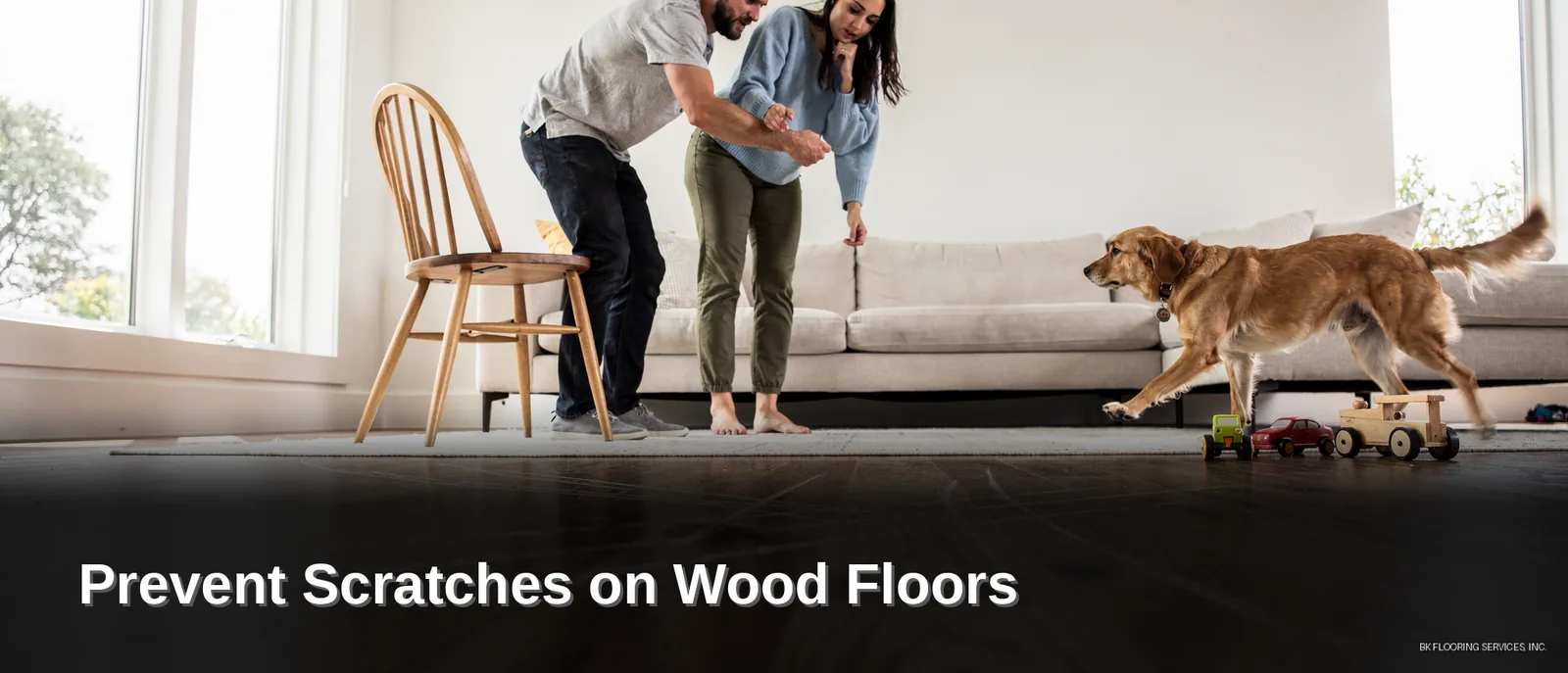
Hardwood finish and wood fibers are vulnerable to abrasion. Preventing scratches involves soft barriers under furniture, entry mats to trap debris, and safe cleaning tools. These practices preserve finish integrity and reduce the need for premature refinishing.
How Do Furniture Pads and Protective Mats Help Preserve Hardwood Floors?
Applying pads and mats shields wood from point loads and abrasive grit. Furniture pads distribute weight under chairs and tables, while mats at doorways intercept sand and dirt carried indoors.
| Entity | Attribute | Value |
|---|---|---|
| Furniture Pad | Material | Felt or rubber backing reduces abrasion |
| Entry Mat | Fiber Type | Coarse fibers trap debris at thresholds |
What Cleaning Tools and Products Are Safe for Hardwood Floors?
Selecting the right tools prevents water damage and finish dulling. Use microfiber mops for dry dusting, soft-bristle brooms for sweeping, and pH-neutral wood cleaners in minimal damp mopping.
Key safe tools and products:
- Microfiber dry mop for daily dust removal
- Soft-bristle broom to collect loose grit
- Wood-specific cleaning solution, avoiding ammonia or bleach
Proper tool choice minimizes moisture exposure and preserves finish clarity.
How Can You Minimize Damage from Pets, Shoes, and Debris?
Daily habits reduce surface wear: trim pet nails regularly, establish a no-shoes indoor policy, and place walk-off mats at all entry points.
- Keep pet claws trimmed to avoid gouging
- Require soft-soled or indoor shoes only
- Use dual-layer entry mats to capture fine particles
Preventing debris and sharp edges from contacting hardwood ensures lasting beauty.
What Is the Recommended Cleaning Routine for Hardwood Floors Throughout the Year?
A consistent cleaning schedule removes abrasive particles and maintains finish performance. Balancing frequency with traffic levels prevents moisture overload and finish erosion.
How Often Should You Sweep, Vacuum, and Mop Hardwood Floors?
Hardwood floors benefit from:
- Daily to weekly dry dusting or sweeping
- Weekly vacuuming with a soft-attachment
- Monthly damp mopping with a wood-safe cleaner
Which Cleaning Products and Methods Are Best for Hardwood Floors?
Using wood-specific products protects finish and wood fibers. Avoid steam cleaners and harsh detergents that raise moisture content.
Recommended cleaning regimen:
- pH-neutral, manufacturer-approved wood cleaner
- Microfiber mop dampened (not soaked)
- Immediate wipe-dry of any standing moisture
These methods maintain finish integrity and align with humidity-controlled environments.
How Does Proper Cleaning Support Seasonal Hardwood Floor Care?
Regular cleaning removes debris that accelerates wear and uncovers early signs of seasonal damage, such as new gaps or finish dullness. By keeping surfaces clear, seasonal inspections become more accurate, and targeted treatments—like humidity adjustments or refinishing—can be applied before issues worsen.
When and How Should You Refinish or Repair Hardwood Floors Due to Seasonal Wear?
Over time, seasonal cycles can erode the finish and stress wood fibers. Recognizing when refinishing or repair is needed restores appearance, durability, and dimensional stability.
What Are the Signs That Hardwood Floors Need Professional Sanding and Refinishing?
Look for:
- Dull, worn finish with deep scratches
- Persistent stains or moisture rings
- Boards with cupping or crowning beyond repair
- Finish cracks and edge lifting
How Does Professional Refinishing Restore Hardwood Floor Appearance and Durability?
Professional sanding removes surface damage and exposes fresh wood, while high-quality finishes add protective layers that resist moisture and abrasion. This service corrects cupping, eliminates scratches, and seals plank surfaces against future seasonal stress.
How Can Proper Installation Prevent Seasonal Hardwood Floor Issues?
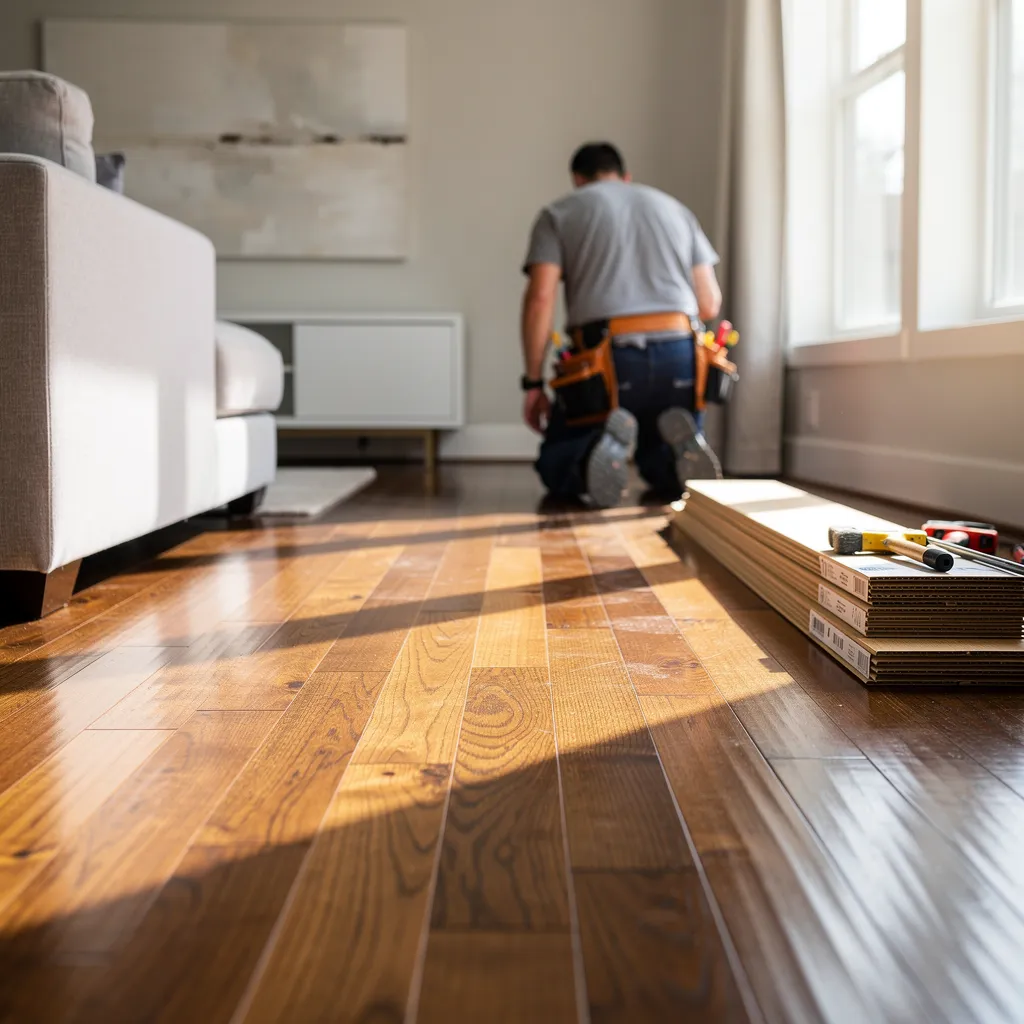
Expert installation accounts for wood acclimation, correct subfloor preparation, and expansion gaps. Allowing planks to adjust to indoor conditions before fastening prevents excessive shrinkage or swelling, reducing future cupping and gapping.
What Are Common FAQs About Seasonal Hardwood Floor Care?
Seasonal care questions often center on balancing moisture, preventing shrinkage, and avoiding sun-fade. The answers below clarify best practices without resorting to generic responses.
How Do You Maintain Hardwood Floors During Seasonal Humidity Fluctuations?
Maintain relative humidity at 35 – 55 percent using humidifiers in winter and dehumidifiers or AC in summer. Monitor levels with a hygrometer and adjust settings gradually to avoid shock-induced wood movement.
What Is the Best Way to Prevent Hardwood Floor Gapping in Winter?
Prevent winter gapping by running a humidifier to sustain indoor moisture above 35 percent. Keep temperature stable and avoid rapid HVAC cycles that drop humidity too low.
How Can You Protect Hardwood Floors from Sunlight Fading in Summer?
Block direct UV rays with curtains, blinds, or window film. Rotate area rugs and furniture periodically to ensure even exposure and maintain uniform color.
How Often Should You Inspect Hardwood Floors for Seasonal Damage?
Perform a visual inspection at least once each season—preferably at the start—to catch early signs of cupping, gapping, or finish wear. Prompt action prevents minor issues from requiring costly repairs.
What Are the Most Effective Tools for Seasonal Hardwood Floor Maintenance?
A comprehensive toolkit includes a hygrometer, humidifier, dehumidifier, microfiber mop, soft-bristle broom, and wood-safe cleaners. These items enable precise environmental control and gentle cleaning aligned with seasonal needs.
Hardwood floors thrive when maintenance anticipates natural wood behavior rather than fights it. By following a season-by-season care plan, controlling humidity, preventing scratches, and enlisting professional services when necessary, your flooring will maintain its beauty and performance for decades. Invest in consistent seasonal routines now to avoid expensive repairs later and enjoy the enduring warmth of well-cared-for hardwood.