Hardwood Flooring Types You Need to Know: Complete Guide to Choosing and Installing Hardwood Floors
Introduction
Hardwood flooring remains a popular choice for homeowners who value aesthetics, durability, and natural beauty. With options ranging from solid hardwood to engineered variations, choosing the right floor can seem overwhelming. This guide explains the differences between hardwood types, highlights popular species like oak, maple, and cherry, and covers key aspects of installation, finishes, and maintenance. It also addresses common concerns such as underfloor heating compatibility, tongue and groove installations, and sustainable options like reclaimed lumber. This comprehensive resource is designed to help you make informed home improvement decisions while protecting your flooring investment.
Transitioning to the main content, the article details the characteristics of hardwood flooring types, discusses popular wood species, and outlines maintenance strategies for optimal performance.
Key Takeaways
- Hardwood flooring includes solid and engineered types, each with distinct installation methods and moisture tolerance.
- Solid hardwood offers authentic grain and refinishing options but suits stable humidity environments best.
- Engineered hardwood features layered construction, ideal for radiant heating and fluctuating temperature areas.
- Popular wood species like oak, maple, and cherry vary in hardness, grain, color, and maintenance needs.
- Oak flooring is durable and versatile, with red and white oak differing in grain pattern and moisture resistance.
- Proper installation methods, including nail-down, glue-down, and floating, affect hardwood floor longevity and performance.
- Regular maintenance involves cleaning, humidity control, protective measures, and refinishing every 7 to 10 years.
- Finishes and underlayment enhance hardwood floor durability, moisture protection, and sound reduction.
- Professional hardwood flooring installation is recommended to ensure optimal acclimation, subfloor preparation, and long-term floor stability.
What Are the Different Types of Hardwood Flooring?
Hardwood flooring is available in two main formats: solid and engineered hardwood. Both have unique benefits and installation methods, with differences that affect appearance and longevity.
What Is Solid Hardwood Flooring and Its Benefits?
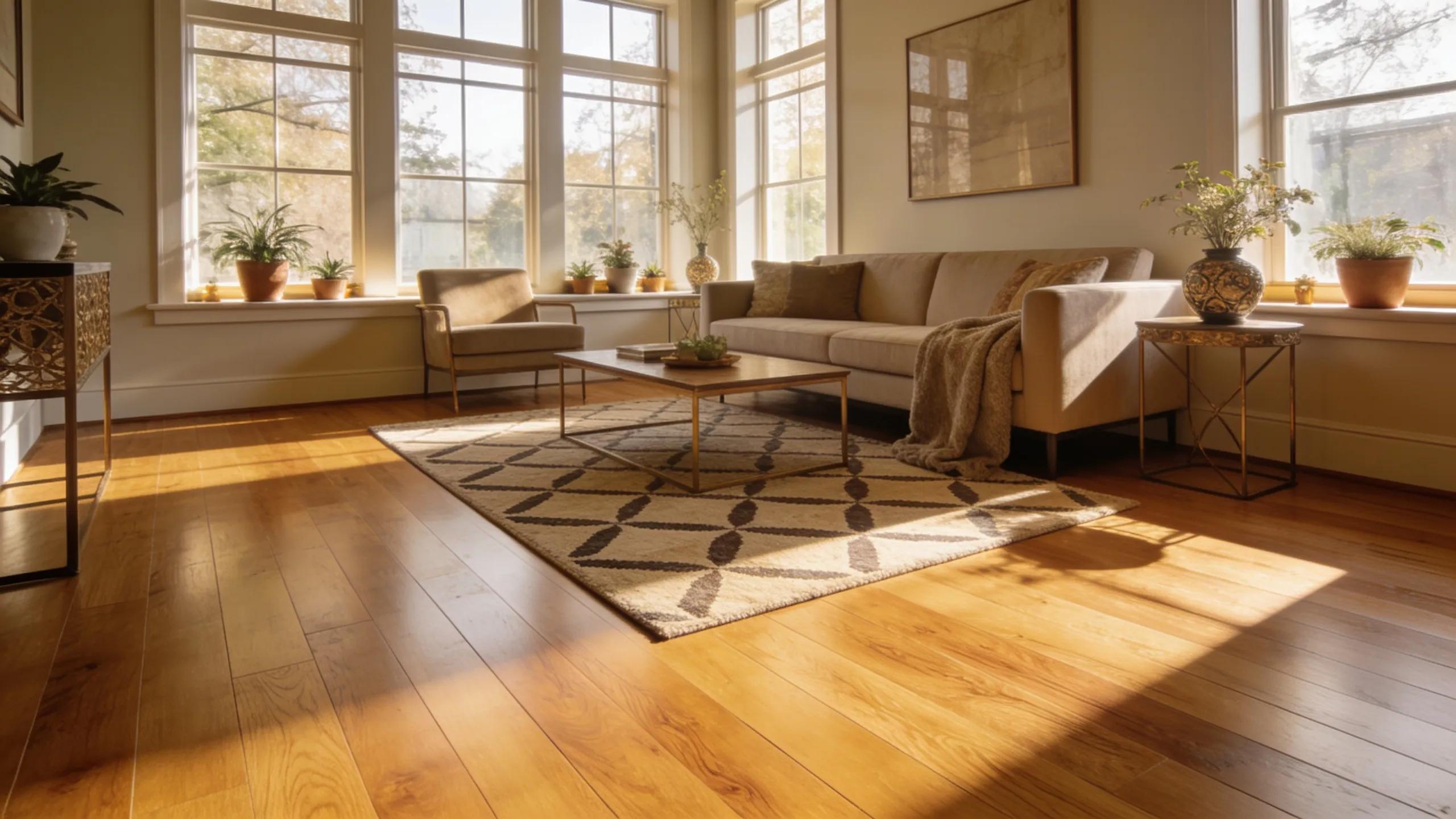
Solid hardwood flooring is made from one continuous piece of timber and offers unmatched authenticity and timeless aesthetics. Its natural grain and warm hues add elegance, and it can be deeply sanded and refinished multiple times. Because it expands and contracts with changes in humidity, it is best suited to areas with stable moisture levels. Nail-down installation ensures a firm, stable base, making solid hardwood a classic choice for homes that favor traditional and upscale designs.
How Does Engineered Hardwood Flooring Compare to Solid Hardwood?
Engineered hardwood flooring consists of several layers of wood with a top veneer of real wood. Its multi-layer construction minimizes expansion and contraction, making it ideal for environments with fluctuating temperatures or radiant heating systems. Engineered hardwood is generally easier and faster to install using floating, glue-down, or nail-down methods. Although it typically offers less opportunity for refinishing compared to solid hardwood, advances have enhanced its durability and aesthetic appeal. This flooring option also supports sustainability goals when responsibly sourced.
What Are Popular Wood Species Used in Hardwood Flooring?
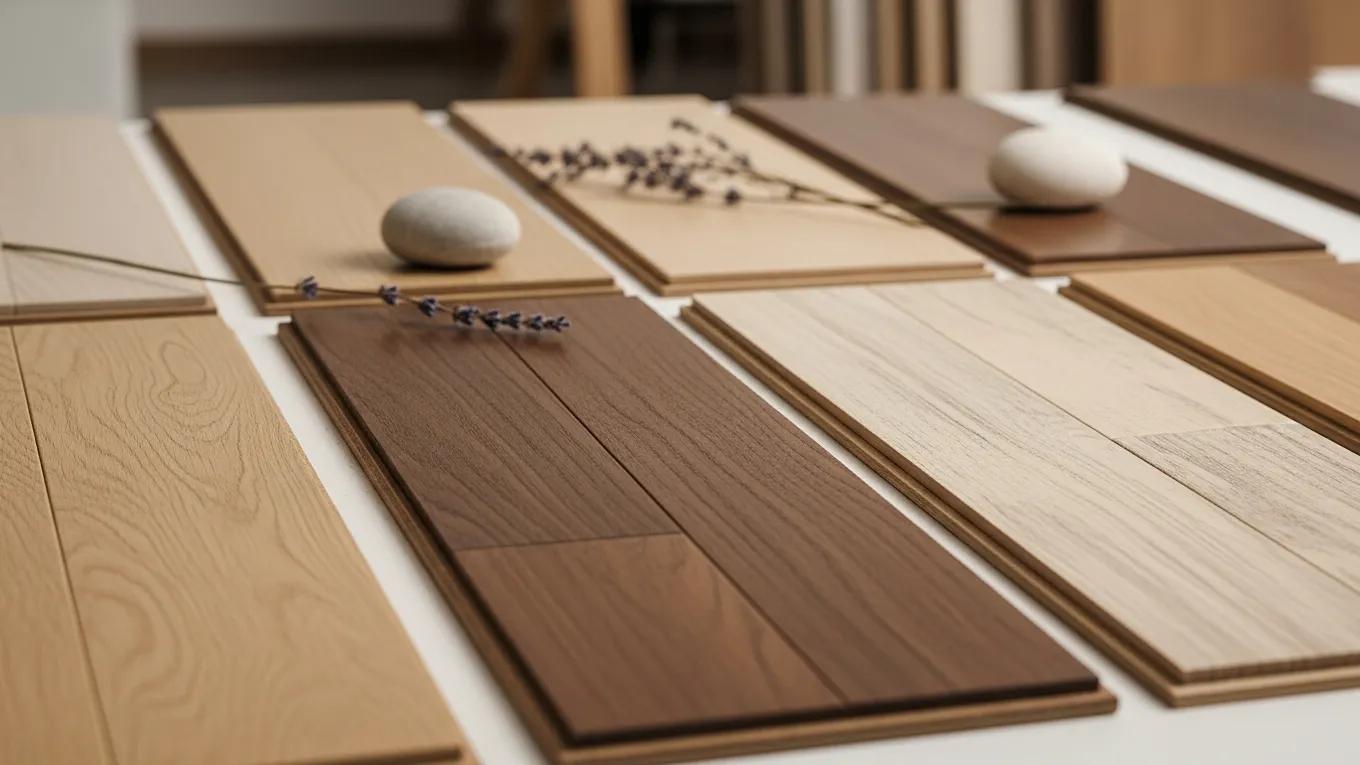
The choice of wood species affects both the look and performance of hardwood floors. Common species include oak, maple, cherry, walnut, and hickory. Oak is celebrated for its strength and varied grain, available in both red and white types. Maple is known for its smooth, light appearance and uniform texture, making it popular in modern interiors. Cherry offers a rich, reddish-brown hue that deepens with age, while walnut and hickory bring luxurious dark tones and rustic charm, respectively. Each species has a unique combination of grain, hardness, and cost-effectiveness.
How Do Wood Species Affect Hardwood Flooring Appearance and Durability?
The chosen wood species determines the floor’s visual appeal and longevity. Strong grain patterns and high density, as seen in oak, resist wear in busy areas. Maple’s fine grain makes for a sleek look but can show scratches more easily. Cherry’s evolving color and smooth texture create a luxurious feel but require careful maintenance. Hardness ratings, such as the Janka scale, help compare species; for example, hickory is excellent for high-traffic areas while softer woods may require extra care. Overall, balancing aesthetics with durability is key to selecting the right wood.
What Are the Characteristics and Benefits of Oak Flooring?
Oak flooring is widely admired for its robustness, classic look, and adaptability. Its inherent durability and ease of maintenance, combined with a range of finishing options, make it popular among homeowners and designers.
What Are the Differences Between Red Oak and White Oak Flooring?
Red oak and white oak share similar strength but differ in appearance. Red oak is characterized by a pronounced grain and warm, reddish tones that create an inviting, traditional feel, whereas white oak has a subtler grain with cooler, neutral hues ideal for modern styles. White oak’s denser composition also offers improved moisture resistance. The choice between the two often comes down to personal preference and the specific installation environment.
How Much Does Oak Hardwood Flooring Cost?
Oak flooring is generally moderately priced. Material costs typically range from $3 to $12 per square foot, with installation adding to the expense. While premium, sustainably sourced oak might cost more, its long-term durability and timeless appeal often justify the investment. Homeowners should obtain multiple estimates, considering both material quality and installation expertise, to ensure the best value.
What Is the Best Installation Method for Oak Flooring?
The installation method for oak flooring depends on the subfloor and room conditions. Solid oak is traditionally installed via a nail-down method, which secures the planks directly and minimizes movement. Engineered oak may be suitable for floating installations, especially in areas with radiant heating or subfloor imperfections. In any case, professional installation is recommended to properly accommodate the wood’s natural expansion and contraction.
How Do You Maintain and Care for Oak Hardwood Floors?
Maintaining oak floors involves regular cleaning, periodic refinishing, and careful control of indoor humidity. Routine sweeping or vacuuming prevents grit from scratching the surface, and damp mopping with a wood-friendly cleaner removes dirt without damaging the finish. Refinishing every 7 to 10 years can restore the floor’s luster. Using protective pads under furniture and monitoring humidity levels further help prevent issues like warping and excessive wear.
What Should You Know About Maple Hardwood Flooring?
Maple hardwood flooring is prized for its light, creamy appearance and smooth texture. Its uniform grain and durability make it a favored option in contemporary homes and commercial spaces alike.
What Are the Key Characteristics of Maple Flooring?
Maple flooring offers a clean, modern look with its light color and subtle grain variations. Its density and resistance to abrasion make it a good choice for high-traffic areas. The smooth finish also complements various interior design styles, from transitional to ultra-modern, ensuring versatility in many settings.
What Are the Benefits of Choosing Maple Hardwood Floors?
One of the main advantages of maple flooring is its ability to brighten up interiors due to its light color. Its resistance to dents and scratches makes it ideal for households with children or pets. Maple’s uniform texture supports a range of finishes—from matte to high gloss—enhancing its natural beauty. Its strength also means that, with proper care, maple floors can be refinished multiple times, ensuring a long-lasting investment.
How Do You Maintain Maple Hardwood Flooring?
Maple floors require balanced cleaning and maintenance. Regular sweeping or vacuuming removes dust, and damp mopping with a pH-neutral cleaner preserves the wood’s natural sheen. To avoid moisture damage, spills should be wiped up immediately. Refinishing every 7 to 10 years, along with stabilizing indoor humidity, helps maintain the floor’s appearance and durability.
How Does Cherry Hardwood Flooring Compare in Appearance and Durability?
Cherry hardwood flooring is distinguished by its rich, warm tones and the way its color deepens over time. While its evolving hue adds character, cherry is moderately soft and may show signs of wear in high-traffic areas if not properly maintained.
What Makes Cherry Flooring Unique in Color and Grain?
Cherry flooring is known for its reddish-brown hue that grows deeper with age due to natural oxidation. Its relatively fine and subtle grain produces a smooth, refined appearance, making it a sophisticated choice for elegant spaces. The finish enhances its natural luster, contributing to a luxurious aesthetic that fits both traditional and modern décors.
How Durable Is Cherry Hardwood Flooring?
Although cherry is celebrated for its beauty, it is moderately hard compared to species like oak or hickory. Its softness means it may show wear in busy areas, so regular cleaning and refinishing are important. With proper care—using protective pads under furniture and timely maintenance—cherry floors can remain attractive for many years while developing a rich patina over time.
What Are Typical Costs for Cherry Hardwood Flooring?
Cherry flooring is generally positioned in a higher price range, typically between $6 and $15 per square foot. The premium price is due to its distinctive appearance and the more elaborate finishing processes it often requires. Despite the higher initial cost, its evolving color and elegant grain pattern make it a worthwhile investment for those seeking a timeless, sophisticated look.
How Do Installation Methods Affect Hardwood Flooring Types?
Installation techniques have a significant impact on the performance and longevity of hardwood floors. Different methods can optimize the natural properties of the wood while minimizing issues like warping and uneven wear.
What Are the Common Hardwood Flooring Installation Methods?
The three main installation methods are nail-down, glue-down, and floating. Nail-down is typically used for solid hardwood, providing a stable, long-lasting bond with the subfloor. Glue-down installations work well for both engineered and solid wood, especially in rooms with radiant heating. Floating installations, where planks are laid over an underlayment without direct attachment, are ideal for areas with subfloor imperfections or moisture concerns.
Should You Choose DIY or Professional Hardwood Flooring Installation?
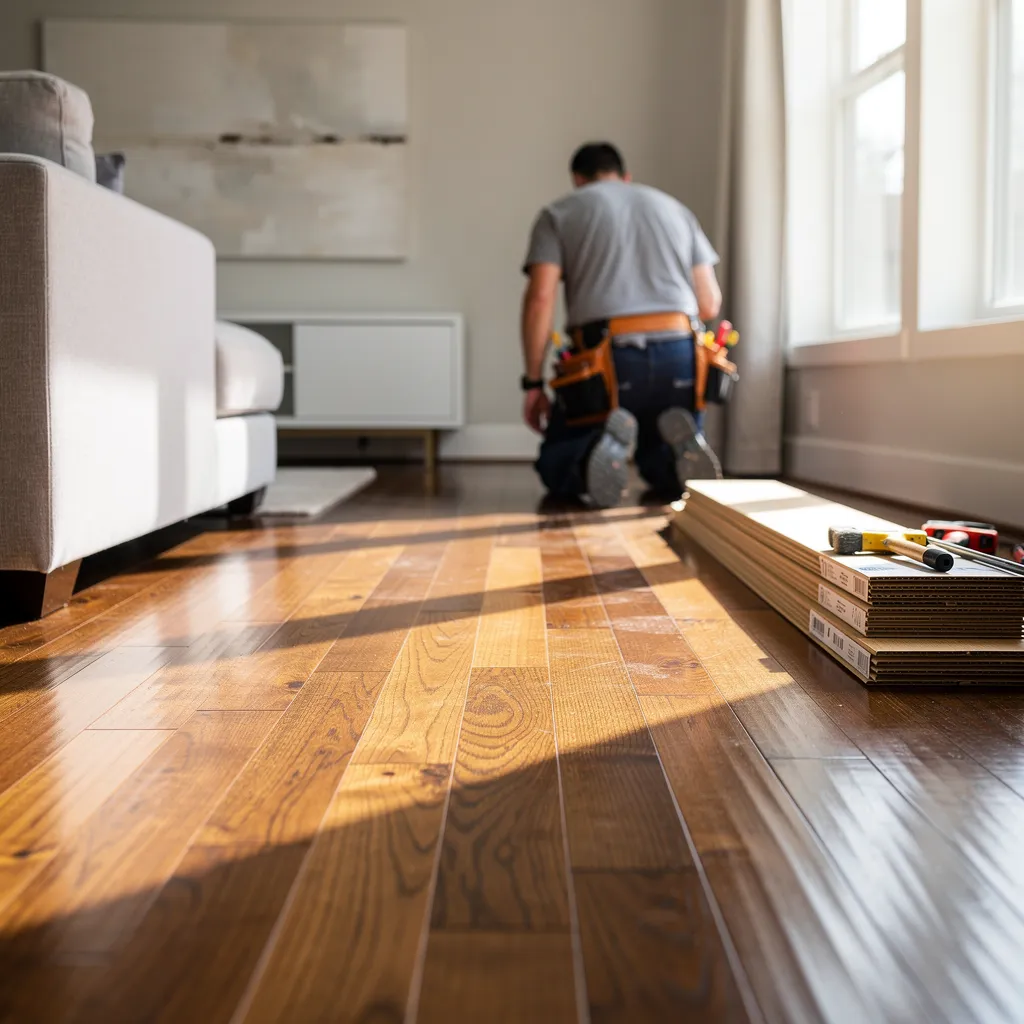
While DIY installation may save money, it comes with risks such as improper leveling and insufficient acclimation of the wood. Professional installers offer expertise, precision, and warranties that help safeguard your investment, making them the preferred choice for expensive hardwood species or complex projects.
How Much Does Hardwood Flooring Installation Cost?
Installation costs vary based on the hardwood type, subfloor condition, and chosen method. On average, professional installation can cost between $3 and $10 per square foot. Although DIY may reduce labor costs initially, professional installation typically results in a more durable and long-lasting finish.
What Are the Best Maintenance Practices for Hardwood Flooring?
Maintaining hardwood floors is essential to preserve their natural beauty and strength. Regular cleaning, prompt spill management, and preventative measures are key to extending the floor’s lifespan.
How Do You Clean Different Types of Hardwood Floors?
For solid hardwood floors, regular sweeping or vacuuming—with a soft brush attachment—and occasional damp mopping with a pH-neutral cleaner are recommended. Engineered hardwood floors should be cleaned similarly, but care must be taken to avoid excessive moisture which might damage their layered structure.
How Can You Protect Hardwood Floors From Damage?
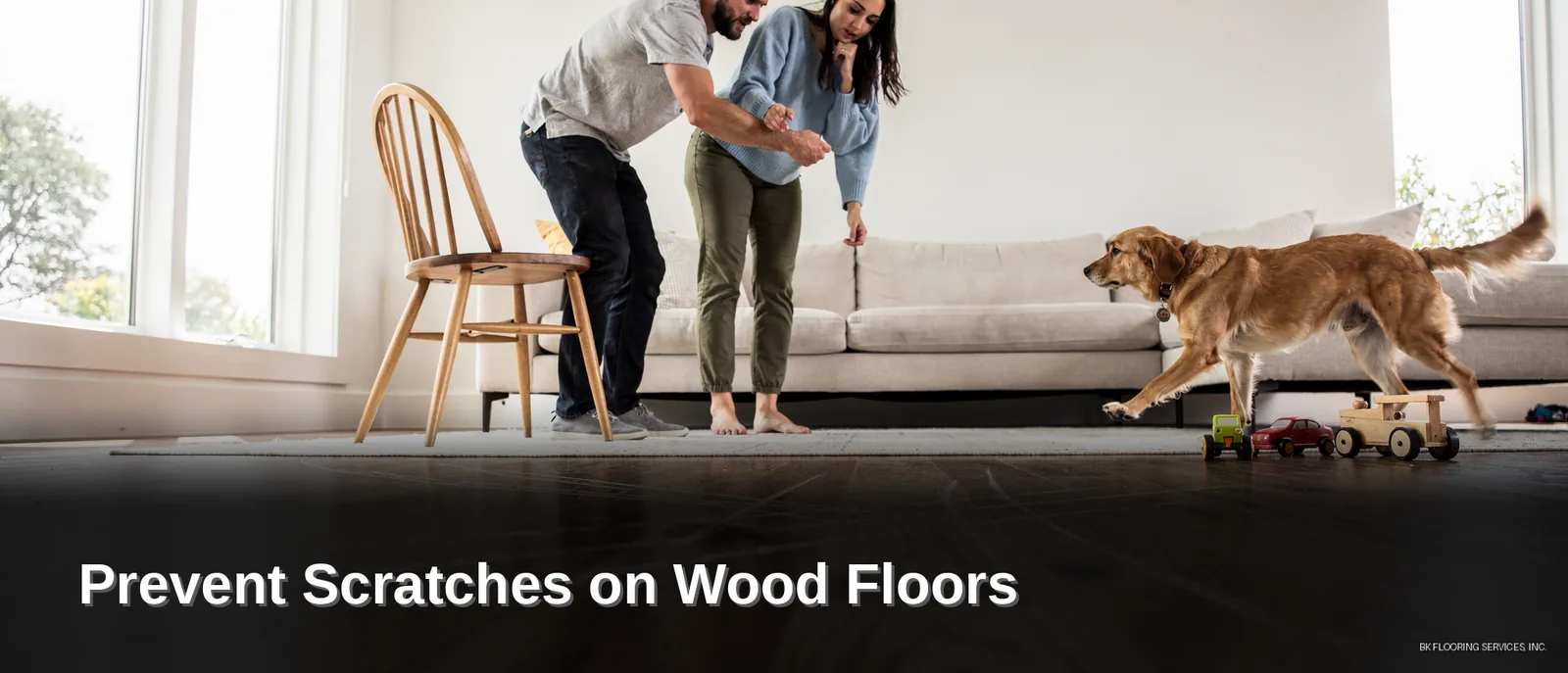
Protection involves using area rugs in high-traffic zones and furniture pads under heavy items to minimize scratches. Maintaining indoor humidity between 35% and 55% prevents the wood from expanding or contracting excessively. Additionally, applying high-quality finishes or sealants creates a protective barrier against moisture and stains, and routine inspections help catch minor damages early.
What Are Common Hardwood Floor Repairs and How Are They Done?
Common repairs include sanding out scratches, filling gaps, and replacing damaged planks. Light sanding followed by a touch-up of finish can restore the appearance of minor scuffs. For larger damages, matching new planks to the existing floor may be necessary. Regular maintenance inspections can help identify issues before they require extensive repairs.
What Role Do Finishes and Underlayment Play in Hardwood Flooring?
The final look and performance of hardwood floors depend on the chosen finish and underlayment. Finishes protect against moisture, wear, and everyday damage, while underlayment provides cushioning, reduces noise, and ensures a smooth installation surface.
What Types of Finishes Are Available for Hardwood Flooring?
Finishes for hardwood floors include water-based, oil-based, matte, and high-gloss options. Water-based finishes dry quickly, emit a low odor, and preserve the wood’s natural color, whereas oil-based finishes add warmth and develop a rich patina over time. Matte finishes offer a modern, understated look, and high-gloss finishes create a polished, reflective surface that highlights the wood grain.
How Do Finishes Affect Hardwood Floor Durability and Appearance?
A quality finish forms a protective barrier against scratches, moisture, and wear. Water-based polyurethane is durable and preserves the wood’s natural hue, while oil-based finishes provide additional warmth and character through an aged patina. The selected finish also influences how frequently reapplication is needed to maintain the floor’s appearance.
What Is Underlayment and Why Is It Important for Hardwood Floors?
Underlayment is a material placed between the subfloor and the hardwood that provides cushioning, sound reduction, and moisture control. Materials like foam, cork, or felt help create a uniform surface, reduce noise, and prevent potential issues such as squeaking or subfloor imperfections.
How Do You Choose the Right Underlayment for Your Hardwood Flooring?
Choosing the right underlayment involves assessing the type of hardwood flooring, the condition of the subfloor, and local environmental conditions. For engineered or floating floors, foam or cork underlayment is typically preferred. For solid hardwood, a more robust, moisture-resistant option may be required. Consulting a flooring professional can help in selecting an underlayment that offers the best balance of cost and performance.
Table: Comparison of Wood Species for Hardwood Flooring
Before diving into maintenance and installation practices, consider this summary table comparing key attributes of popular wood species frequently used in hardwood flooring.
| Wood Species | Hardness (Janka Rating) | Grain Pattern | Typical Color | Recommended Use Case |
|---|---|---|---|---|
| Oak | 1290 – 1360 | Prominent | Warm, earthy | High-traffic areas |
| Maple | 1450 | Fine, uniform | Light, modern | Contemporary spaces |
| Cherry | 950 | Subtle | Reddish-brown | Elegant, formal rooms |
| Walnut | 1010 | Varied, rich | Dark, luxurious | Upscale finishes |
| Hickory | 1820 | Bold, varied | Rustic | Areas with heavy wear |
This table offers an at-a-glance comparison that aids in choosing a wood species to match your design and use requirements.
List: Top 5 Maintenance Tips for Hardwood Floors
- Regular Cleaning: Sweep or vacuum weekly and damp mop using a pH-neutral cleaner.
- Protective Measures: Use area rugs and furniture pads to prevent scuffs and dents.
- HumidityControl: Maintain indoor humidity between 35% and 55%.
- Prompt Spill Management: Clean spills immediately to avoid moisture damage.
- Periodic Refinishing: Sand and refinish the floors every 7 to 10 years.
These tips help maintain both the beauty and performance of your hardwood floors over time.
List: Key Considerations for Hardwood Flooring Installation
- Subfloor Preparedness: Ensure the subfloor is even, clean, and dry.
- Acclimation of Wood: Let the hardwood adjust to indoor conditions for at least 48 hours.
- Professional vs. DIY: Assess your skill level; professional installation often ensures better results.
- Environmental Factors: Consider the room’s humidity and temperature, especially with radiant heating.
- Installation Method: Choose between nail-down, glue-down, or floating installation based on your floor type and room conditions.
Each consideration is vital for a successful installation and long-lasting floor performance.
Frequently Asked Questions
Q: What is the primary difference between solidand engineered hardwoodflooring?A: Solid hardwood is a single piece of timber that can be sanded and refinished repeatedly, while engineered hardwood is made of multiple layers with a top veneer, making it more adaptable to changes in humidity and suitable for radiant heating systems.
Q: How often should hardwoodfloors be refinished?A: Typically every 7 to 10 years, though this may vary with foot traffic and the initial finish used.
Q: Can hardwoodflooring be installed over underfloor heatingsystems?A: Yes, especially engineered hardwood, which handles temperature fluctuations well; solid hardwood can also be used if properly acclimated and installed using a glue-down method.
Q: How should spills be managed on hardwoodfloors?A: Spills must be wiped up immediately with a soft cloth and mild, pH-neutral cleaner to prevent stains and warping.
Q: What are the best practices for choosing a finish for hardwoodfloors?A: The choice depends on your design preferences and usage. Water-based polyurethane preserves natural wood color and dries quickly, while oil-based finishes provide a warmer tone and richer patina.
Final Thoughts
Hardwood flooring remains a timeless element in home improvement, offering a range of options such as solid and engineered wood to suit various lifestyles and design aesthetics. Whether you prefer the strength of oak, the modern look of maple, or the evolving beauty of cherry, selecting the right species along with appropriate installation, maintenance, and finishing methods is key to ensuring lasting durability and style. By considering factors like humidity, protective measures, and professional installation, homeowners can fully enjoy the enduring benefits of hardwood flooring.