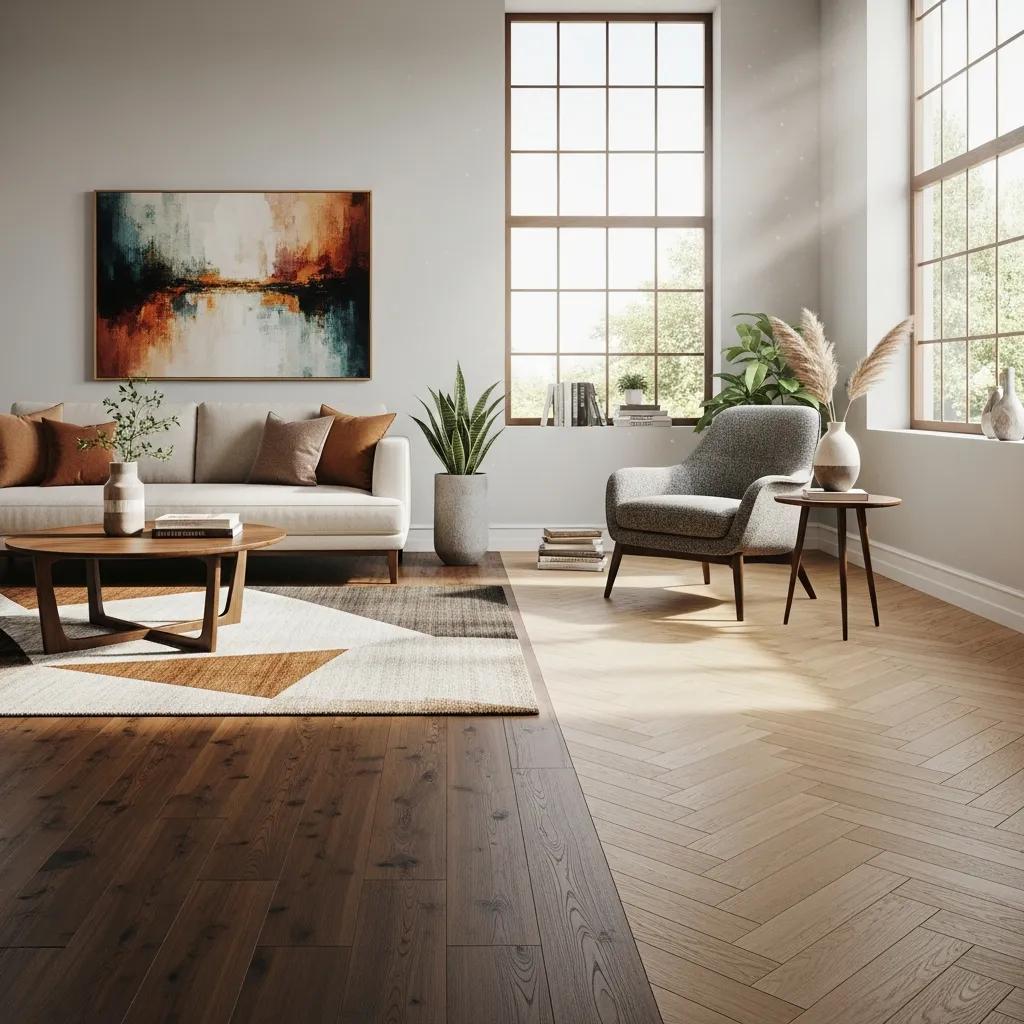
Choosing the right flooring for your home can be a daunting task, especially when it comes to hardwood options. Solid and engineered hardwood each offer unique benefits and drawbacks that can significantly impact your living space. This article will explore the key differences between solid and engineered hardwood, helping you make an informed decision based on your needs and budget. We will delve into aspects such as durability, maintenance, aesthetics, and cost considerations, providing a comprehensive comparison to guide your choice. Whether you’re renovating or building a new home, understanding these flooring options will empower you to select the best fit for your environment.
Comparison of Solid Hardwood and Engineered Hardwood Flooring
When comparing solid hardwood and engineered hardwood flooring, it’s essential to consider their distinct characteristics. Solid hardwood is made from a single piece of wood, offering a classic and timeless appeal. In contrast, engineered hardwood consists of multiple layers, with a top layer of real wood veneer over a plywood base, providing enhanced stability and resistance to moisture.
Durability
Solid hardwood flooring is renowned for its durability, often lasting for decades with proper care. It can be sanded and refinished multiple times, allowing it to maintain its appearance over the years. Engineered hardwood, while also durable, typically has a shorter lifespan due to its thinner top layer. However, it is less susceptible to warping and can perform better in areas with fluctuating humidity levels.
Maintenance
Both solid and engineered hardwood require regular maintenance to keep them looking their best. Solid hardwood needs periodic refinishing, which can be a labor-intensive process. Engineered hardwood, on the other hand, is easier to maintain, requiring only regular cleaning and occasional refinishing, depending on the thickness of the veneer.
Aesthetics
Aesthetically, solid hardwood offers a rich, natural look that many homeowners prefer. It can be stained in various colors and finishes, allowing for customization. Engineered hardwood also provides a wide range of styles and finishes, but the appearance may not match the depth and richness of solid wood due to its layered construction.
Cost Considerations
Cost is a significant factor when choosing between solid and engineered hardwood. Solid hardwood typically ranges from $8 to $15 per square foot, depending on the wood species and quality. Engineered hardwood is generally more affordable, with prices ranging from $3 to $10 per square foot. Installation costs can also vary, with solid hardwood often requiring more labor-intensive installation methods.
What Are the Key Differences Between Solid and Engineered Hardwood Flooring?
The primary differences between solid and engineered hardwood flooring lie in their construction, durability, and maintenance requirements. Solid hardwood is a single piece of wood, while engineered hardwood consists of multiple layers. This distinction affects their performance in various environments, particularly in terms of moisture resistance and longevity.
How Does the Construction of Solid Hardwood Compare to Engineered Hardwood?
Solid hardwood is crafted from a single piece of timber, providing a robust and traditional flooring option. Engineered hardwood, however, is made from several layers of wood, with a top layer of hardwood veneer. This construction allows engineered hardwood to be more stable and less prone to warping, making it suitable for areas with higher humidity.
What Are the Pros and Cons of Each Hardwood Type?
Both solid and engineered hardwood have their advantages and disadvantages.
- Solid Hardwood Pros: Long-lasting and can be refinished multiple times.Offers a classic, timeless aesthetic.
- Solid Hardwood Cons: More expensive and labor-intensive to install.Susceptible to moisture damage.
- Engineered Hardwood Pros: More affordable and easier to install.Better suited for moisture-prone areas.
- Engineered Hardwood Cons: Limited refinishing options due to thinner veneer.May not have the same aesthetic appeal as solid hardwood.
How Do Durability and Maintenance Requirements Differ Between Solid and Engineered Hardwood?
Durability varies significantly between solid and engineered hardwood. Solid hardwood can last for generations if properly maintained, while engineered hardwood typically has a lifespan of 20 to 30 years. Maintenance requirements also differ; solid hardwood requires more frequent refinishing, whereas engineered hardwood is easier to care for with regular cleaning.
Which Hardwood Flooring Offers Greater Longevity?
Solid hardwood generally offers greater longevity compared to engineered hardwood. With proper care, solid hardwood can last over 100 years, while engineered hardwood typically lasts about 20 to 30 years. The ability to refinish solid hardwood multiple times contributes to its extended lifespan.
What Maintenance Practices Are Recommended for Each Flooring Type?
For solid hardwood, regular sweeping and occasional refinishing are essential to maintain its beauty. Engineered hardwood requires similar cleaning practices but can be maintained with less frequent refinishing. Both types benefit from using protective pads under furniture and avoiding excessive moisture.
What Are the Cost Considerations for Installing Solid vs. Engineered Hardwood in Atlanta Homes?

When considering hardwood flooring installation costs in Atlanta, solid hardwood typically incurs higher expenses due to its labor-intensive installation process. Engineered hardwood is often more cost-effective, making it an attractive option for budget-conscious homeowners.
How Do Installation Costs Vary Between Solid and Engineered Hardwood Flooring?
Installation costs can vary significantly between the two types of hardwood. Solid hardwood installation may range from $4 to $8 per square foot, while engineered hardwood installation costs typically range from $2 to $5 per square foot. The choice of flooring can thus impact the overall budget for your project.
What Factors Influence the Overall Budget for Hardwood Flooring Projects?
Several factors influence the overall budget for hardwood flooring projects, including:
- Material Costs: The price of solid vs. engineered hardwood.
- Labor Costs: Installation complexity and time required.
- Additional Services: Refinishing and maintenance services.
Which Hardwood Flooring Is Best Suited for Different Home Environments and Conditions?
Choosing the right hardwood flooring depends on your home’s specific environment. Solid hardwood is ideal for dry, climate-controlled areas, while engineered hardwood is better suited for moisture-prone environments, such as basements or homes with fluctuating humidity.
Is Engineered Hardwood More Suitable for Moisture-Prone Areas Like Basements?
Yes, engineered hardwood is more suitable for moisture-prone areas like basements due to its layered construction, which provides better stability and resistance to warping. Solid hardwood, while beautiful, can be adversely affected by high humidity levels.
When Should Homeowners Choose Solid Hardwood Over Engineered Options?
Homeowners should consider solid hardwood when they desire a long-lasting, classic flooring option and are willing to invest in maintenance. Engineered hardwood is a better choice for those seeking affordability and moisture resistance, particularly in areas with variable humidity.
Different cost considerations for solid vs. engineered hardwood can be summarized in the following table:
| Flooring Type | Price per Square Foot | Installation Cost per Square Foot | Lifespan |
|---|---|---|---|
| Solid Hardwood | $8 – $15 | $4 – $8 | 100+ years |
| Engineered Hardwood | $3 – $10 | $2 – $5 | 20 – 30 years |
This comparison highlights the financial implications of choosing between solid and engineered hardwood, allowing homeowners to make informed decisions based on their budget and flooring needs.