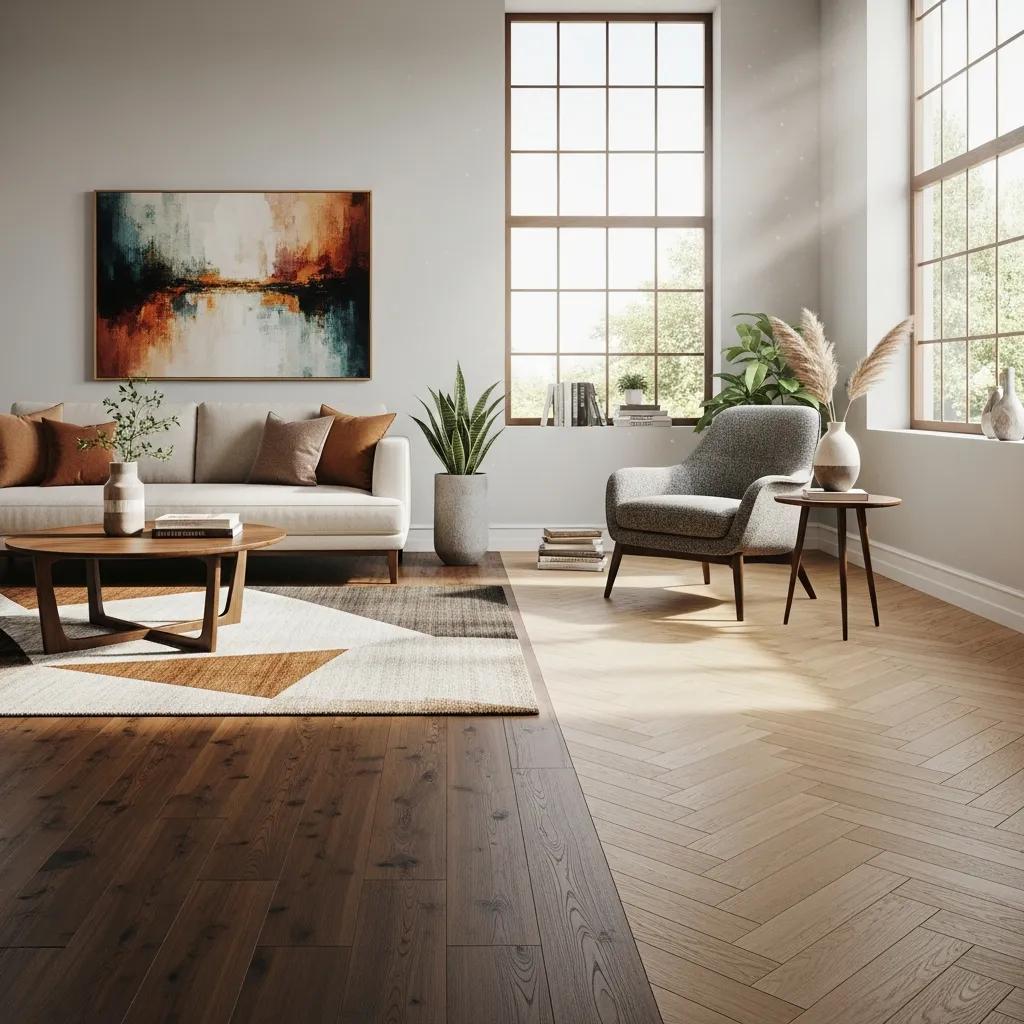
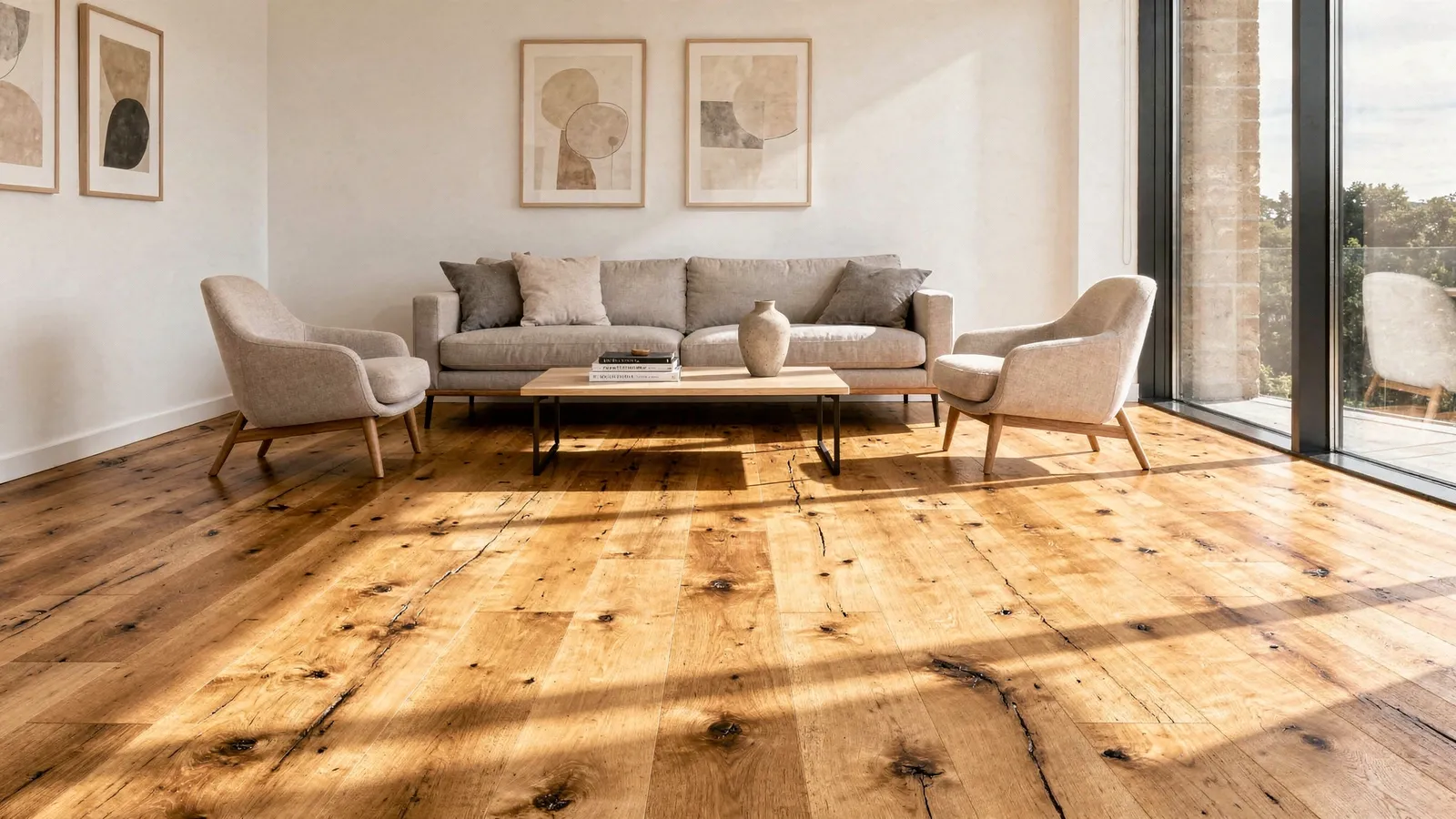
Hardwood flooring combines natural beauty, lasting strength, and increased property value, making it a top choice for homeowners, business owners, and property managers seeking quality underfoot. Exploring unique hardwood flooring options today means understanding solid versus engineered construction, species-specific durability, finish styles, and emerging 2026 trends, all while considering local climate factors in Marietta, GA. This guide defines the primary types of hardwood flooring, compares popular wood species, outlines finish benefits, reveals design and sustainability movements, and explains installation and refinishing considerations. Along the way, BK Flooring Services Inc.’s expertise in professional installation and refinishing—including a one-year guarantee and top-quality materials—serves as a practical example of how to integrate superior service into every new or restored floor.
What Are the Main Types of Hardwood Flooring Options?
Hardwood flooring falls into two core categories—solid hardwood and engineered hardwood—each offering distinct construction methods, performance characteristics, and installation techniques that suit different applications.
How Does Solid Hardwood Flooring Compare to Engineered Hardwood?
Solid hardwood consists of a single strip of natural wood, while engineered hardwood features a real wood veneer atop cross-layered plywood for dimensional stability. Solid hardwood can be sanded and refinished multiple times, promoting longevity, but it is more susceptible to moisture-related expansion. Engineered hardwood resists humidity changes better and often installs as a floating floor, yet its thinner veneer layer limits refinishing cycles.
This comparison clarifies which option aligns with your project priorities, whether maximum longevity or moisture resistance.
Engineered Hardwood Advantages
Engineered hardwood flooring offers superior moisture control compared to solid hardwood due to its construction with multiple layers, making it less susceptible to expansion and contraction in humid environments. This characteristic makes it a practical choice for areas prone to moisture.
Forest Products Laboratory, Engineered Wood Products (2022)
This citation reinforces the article’s comparison of solid and engineered hardwood, highlighting the benefits of engineered wood in specific conditions.
What Are the Key Characteristics of Popular Hardwood Species?
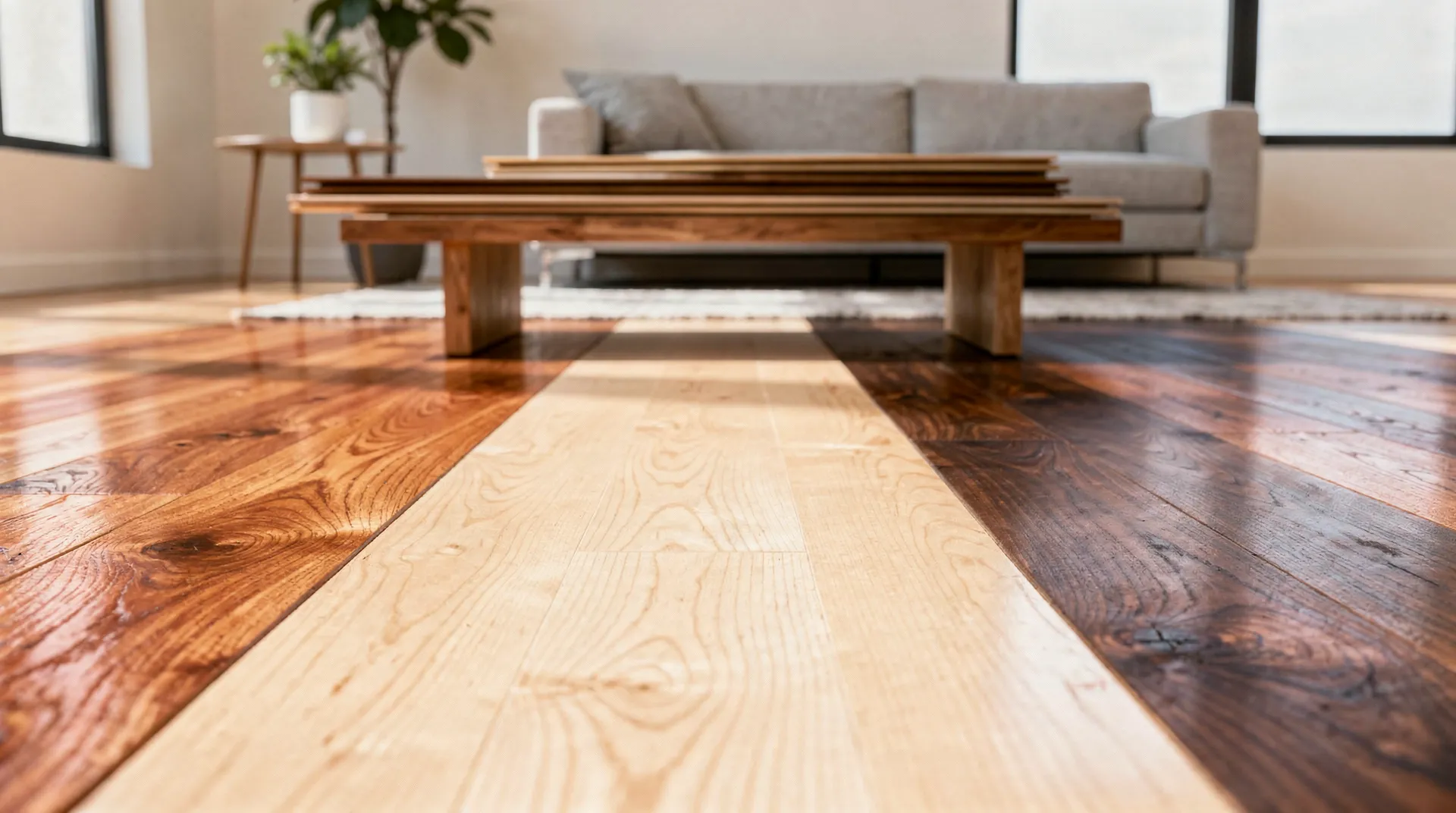
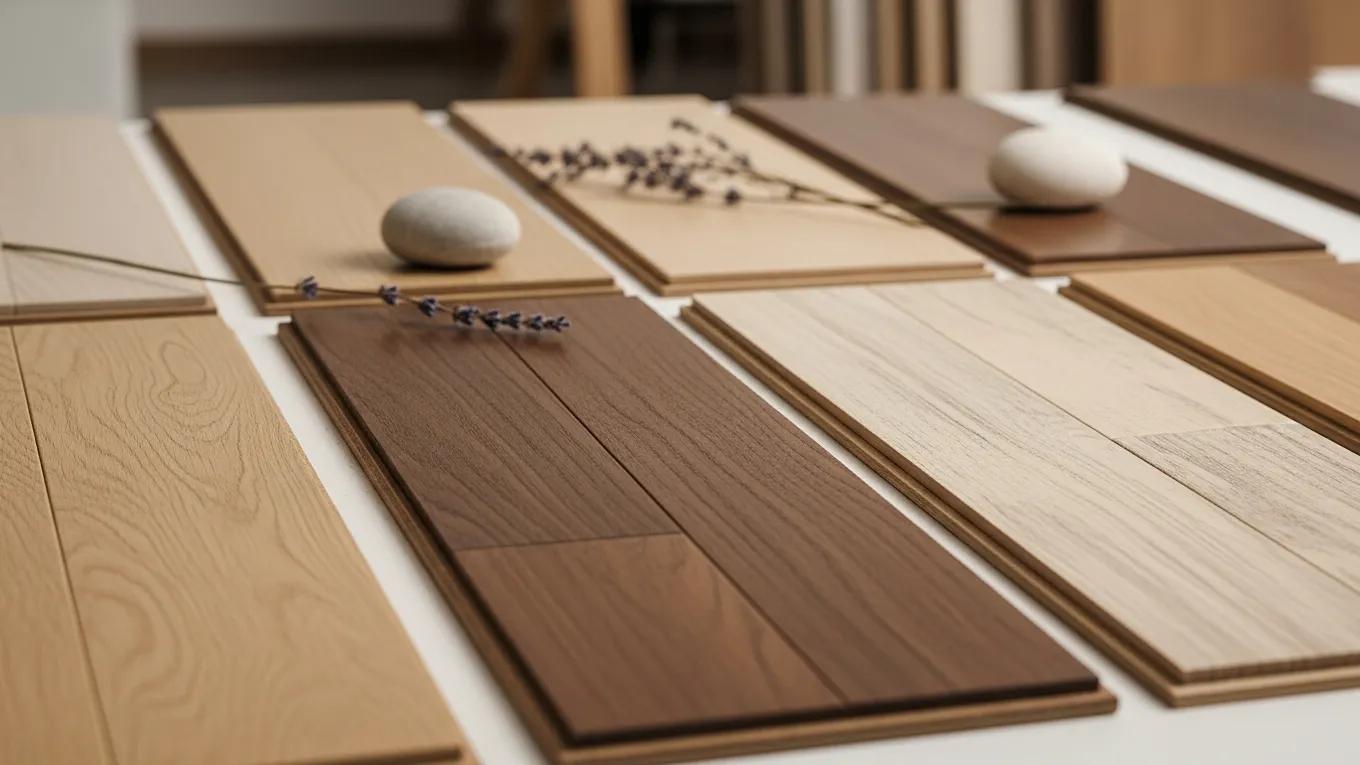
Hardwood species vary in grain, color, hardness, and cost. Red Oak offers warm reddish tones and moderate hardness, Maple provides a clean, uniform look with high Janka ratings, and Walnut imparts rich chocolate hues with softer resilience. Each species’ natural grain pattern and hardness rating determine suitability for high-traffic areas, aesthetic themes, and refinishing needs.
Red Oak delivers a prominent grain and balanced durability ideal for traditional designs.
Maple features a tight, uniform grain and hardness up to 1450 on the Janka scale for busy homes.
Walnut offers a deep, fine grain appearance but requires careful use in high-impact zones.
Understanding these characteristics helps pinpoint the species that best fulfills both aesthetic and performance demands.
Which Hardwood Alternatives Should You Consider?
When wood isn’t practical, luxury vinyl plank (LVP) and laminate flooring mimic hardwood appearance while offering enhanced water resistance and lower cost. LVP provides waterproof protection and realistic wood visuals, making it ideal for basements and kitchens. Laminate flooring features a photographic wood pattern overlay and durable melamine finish, delivering affordability and simple maintenance.
LVP delivers up to 100% water resistance for moisture-prone rooms.
Laminate costs up to 40% less than solid hardwood installations.
Both alternatives install via click-lock systems for faster project timelines.
These alternatives broaden design possibilities while maintaining a wood-inspired aesthetic.
Which Hardwood Species Offer the Best Durability and Aesthetics?
Different species balance hardness, appearance, and cost, guiding your choice for longevity and visual harmony.
What Makes Oak Hardwood a Popular Flooring Choice?
Oak ranks high on the Janka hardness scale (Red Oak: 1290; White Oak: 1360) and showcases pronounced grain that conceals scratches and dents. Its natural tannins resist mold and discoloration, making it suitable for both residential and commercial projects. The wood’s neutral warm tones complement diverse decor styles, from rustic farmhouse to modern minimalist.
Hardwood Flooring Durability and Janka Hardness
The Janka hardness scale is a standard measure of a wood’s resistance to denting and wear, with higher numbers indicating greater hardness. Red Oak, for example, has a Janka hardness rating of 1290, while White Oak is rated at 1360, demonstrating their suitability for high-traffic areas.
Janka, G., The Janka Hardness Test (1906)
This information supports the article’s discussion of hardwood species and their suitability for different applications based on durability.
Continuing this durability and style discussion leads us to compare other top-performing species.
How Do Maple, Hickory, and Walnut Compare in Hardness and Appearance?
This table highlights how species choice aligns with foot traffic levels and design goals.
What Are the Unique Features of Exotic and Softwood Options Like Mahogany and Pine?
Exotic woods such as Mahogany and softwoods like Pine offer distinctive grain patterns and color depth. Mahogany features a deep reddish-brown hue, excellent dimensional stability, and a fine grain that elevates luxury projects. Pine’s knotty character and lighter coloring deliver warmth and rustic charm but require careful placement in low-traffic areas due to its softer nature (Janka ~ Pine: 420).
Mahogany’s stability and Pine’s affordability illustrate how less common options can fulfill specialized design visions while demanding appropriate installation and maintenance strategies.
What Are the Different Hardwood Flooring Finishes and Their Benefits?
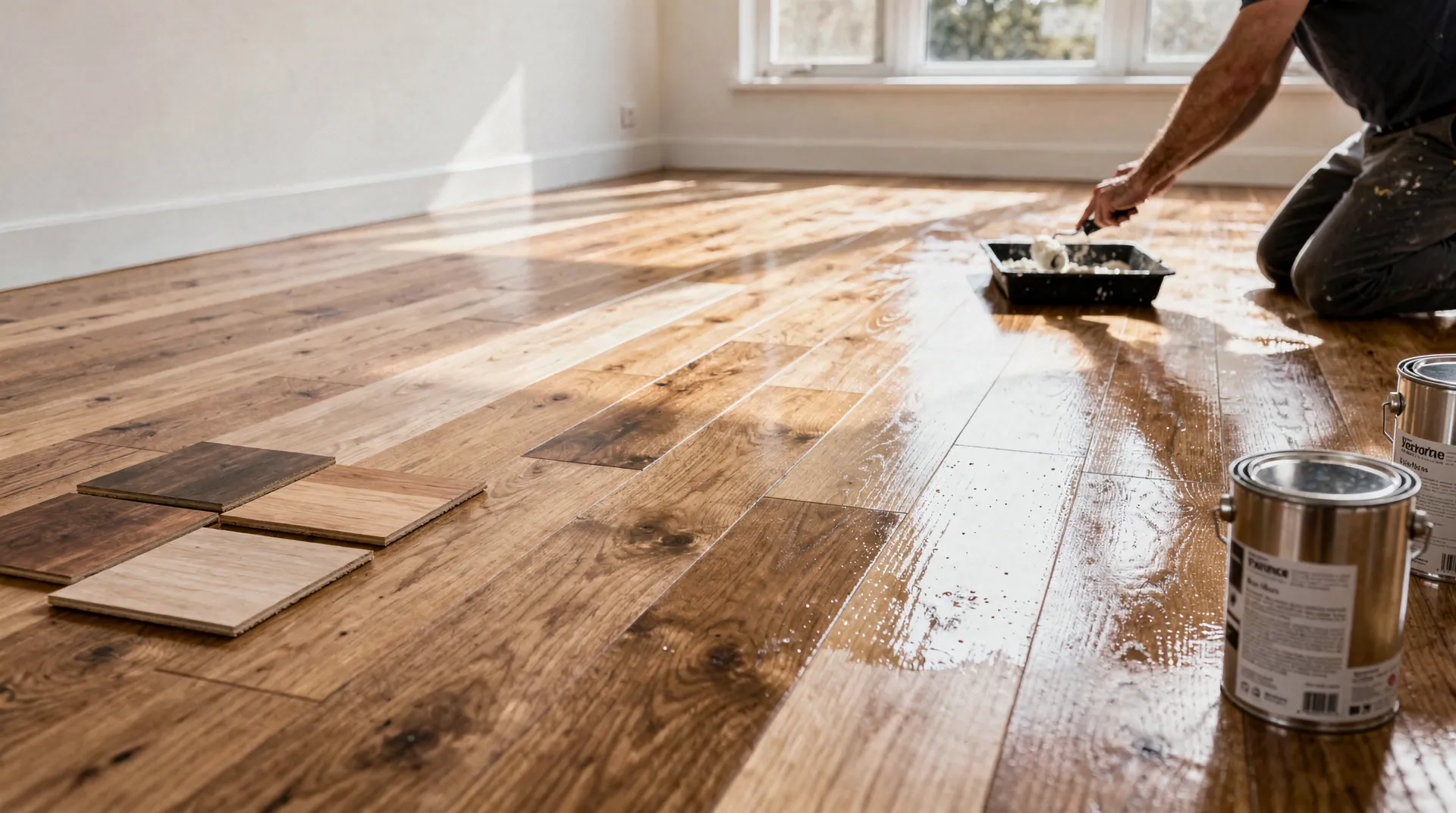
Floor finishes protect wood, control sheen, and influence maintenance requirements, making finish selection crucial to long-term performance.
How Do Oil-Based, Water-Based, and UV-Cured Finishes Differ?
Oil-based finishes penetrate wood fibers and darken over time, enriching grain contrast but requiring longer cure periods and higher VOC levels. Water-based finishes form a clear protective film, dry faster, and emit fewer VOCs, preserving natural wood color. UV-cured factory finishes offer industrial-grade hardness, immediate use after installation, and consistent application controls, though repair requires professional equipment.
Oil-based: deep grain enhancement, 24–48-hour dry time, moderate maintenance.
Water-based: low VOC, 4–6-hour dry time, color-stable, easy upkeep.
UV-cured: superior scratch resistance, factory consistency, limited DIY repair.
Understanding these differences simplifies selecting a finish that balances environmental concerns, appearance, and upkeep.
Which Finish Offers the Best Durability and Maintenance Ease?
Water-based polyurethane often provides the optimal blend of durability and ease of maintenance. Its clear coat resists yellowing, stands up to common household cleaners, and allows quicker move-in times. For commercial or ultra-high-traffic applications, UV-cured finishes deliver exceptional hardness ratings, minimizing scratches and reducing long-term maintenance costs.
Considering these factors guides you to the finish that best suits your traffic patterns and aesthetic preferences.
How Do Matte, Satin, and Gloss Finishes Affect Floor Appearance?
Sheen level dramatically alters wood’s visual impact. Matte finishes hide imperfections and create a subtle, modern look. Satin finishes offer moderate reflection for gentle light play without emphasizing traffic marks. Gloss finishes deliver mirror-like shine, highlighting grain but requiring diligent cleaning to avoid visible scratches.
Sheen Choice → Visual Effect → Maintenance Level
Matte → Natural, low-profile → Easiest upkeep
Satin → Balanced warmth and glow → Moderate cleaning
Gloss → High brilliance → Frequent polishing
Understanding these relationships ensures your floor’s finish harmonizes with design goals and lifestyle needs.
What Are the Latest Hardwood Flooring Trends for 2026?
Emerging trends reflect a shift toward spacious plank widths, tactile textures, classic patterns, warm palettes, and eco-friendly sourcing.
Why Are Wide Plank Floors Gaining Popularity?
Wide plank flooring (5″–12″ widths) creates an expansive, seamless visual field with fewer seams and less directional busyness. Broader boards emphasize natural grain run and subtle color variations, fostering a contemporary yet organic aesthetic in open-concept layouts.
Wide plank installations also reduce installation time and require fewer transitions between rooms, offering both aesthetic and practical benefits that resonate with modern design sensibilities.
How Do Warm Tones and Textured Finishes Enhance Hardwood Floors?
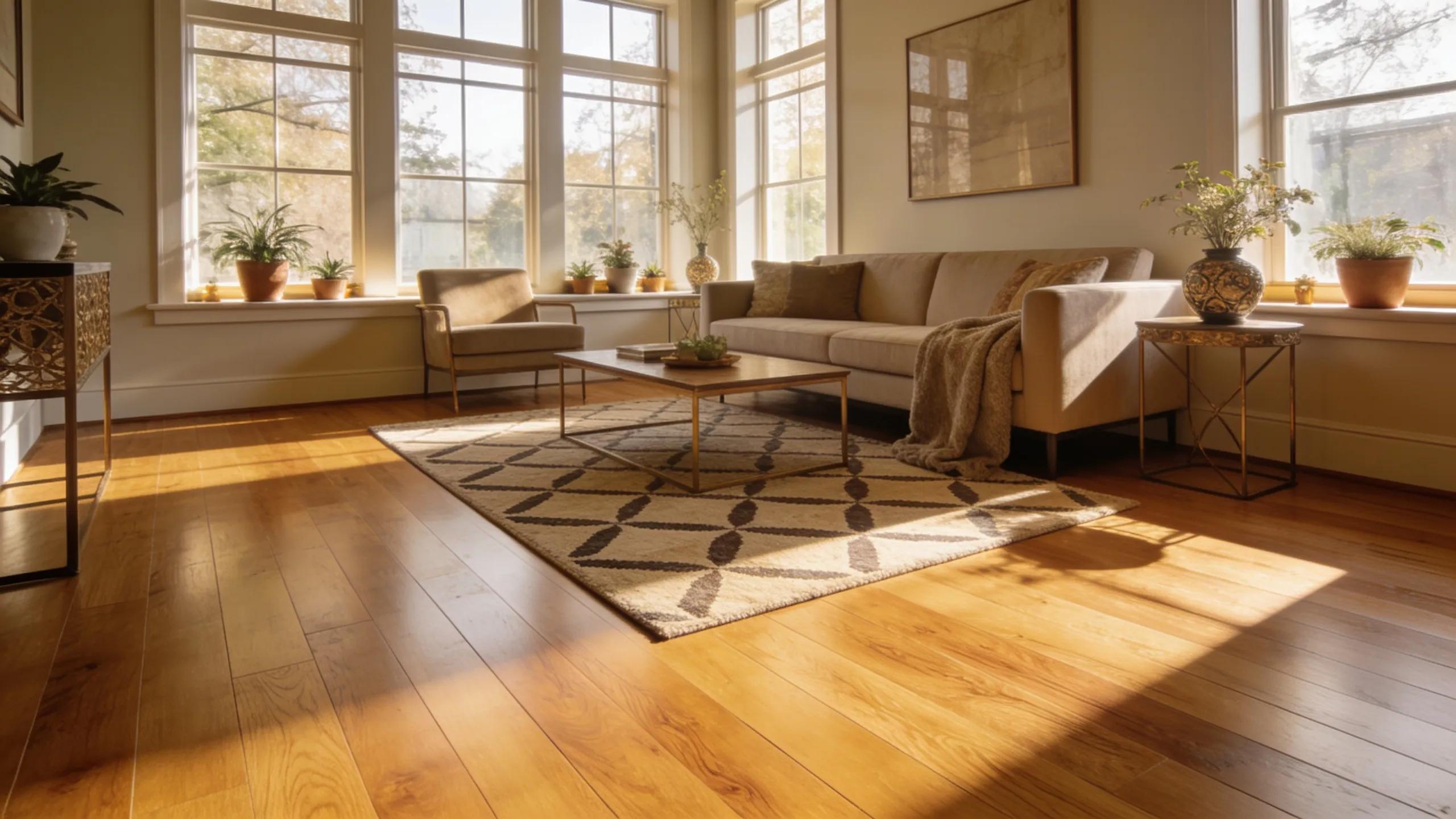
Warm tones like golden oak, honey pine, and rich chestnut establish an inviting atmosphere that complements natural light. Textured finishes, hand-scraped, wire-brushed, or distressed, add depth and mask daily wear. These characteristics work together to create hardwood floors that feel lived-in and authentic while maintaining resilience against dents and scratches.
Together, warm hues and surface textures bring both character and durability to trending interiors.
What Classic Wood Floor Patterns Are Making a Comeback?
Herringbone and chevron patterns reintroduce timeless geometric elegance. These layouts break up expansive areas with eye-catching angles, offering a sophisticated focal point. Pattern installation demands precise craftsmanship, reinforcing the value of professional services for impeccable results.
The resurgence of these designs underscores a broader demand for floors that marry tradition with contemporary finishing techniques.
How Is Sustainability Influencing Hardwood Flooring Choices?
Eco-conscious buyers now seek FSC-certified wood, reclaimed timber, and low-VOC finishes to minimize environmental impact. Reclaimed flooring preserves historic character while reducing demand on old-growth forests. FSC certification guarantees responsible forestry practices, and low-VOC coatings protect indoor air quality.
This sustainability focus steers the industry toward ethically sourced materials that align with modern green building standards.
How Do You Choose the Right Hardwood Flooring for Your Space?
Selecting the ideal hardwood floor involves balancing durability, cost, design preferences, and environmental factors unique to each installation.
What Factors Affect Hardwood Flooring Durability and Cost?
Durability correlates with Janka hardness ratings, species density, and finish selection. Higher hardness implies better resistance to dents but often higher material and installation costs. Engineered constructions cost 10–20% less than comparable solid planks and simplify installation in moisture-sensitive areas. Budgeting also includes finish type, underlayment, labor complexity, and refinishing potential over the floor’s lifetime.
Factoring these elements early enables accurate project planning and investment analysis.
Which Hardwood Options Are Best for High-Traffic and Humid Areas?
Hickory, White Oak, and Maple—with high Janka ratings—excel in heavy-use spaces, while engineered hardwood designed for moisture control suits basements and bathrooms. Water-resistant finishes and properly installed vapor barriers further mitigate humidity risks, preserving floor integrity and preventing cupping or warping.
Choosing these resilient combinations ensures lasting performance under demanding conditions.
How Does Local Climate in Marietta, GA Impact Hardwood Flooring Performance?
Marietta’s hot, humid summers and mild winters challenge wood stability. Engineered hardwood with plywood cores adapts to seasonal humidity swings, minimizing plank movement. Solid hardwood installations require acclimation periods and moisture-controlled environments before nailing to subfloors. Routine humidity control—via dehumidifiers or HVAC—maintains optimal wood moisture content around 6–9%.
This localized expertise underscores why partnering with Marietta’s seasoned professionals delivers the best long-term outcomes.
What Should You Know About Hardwood Flooring Installation and Refinishing Services?
Understanding professional installation and refinishing processes clarifies project timelines, cost factors, and quality expectations.
How Is Hardwood Flooring Professionally Installed?
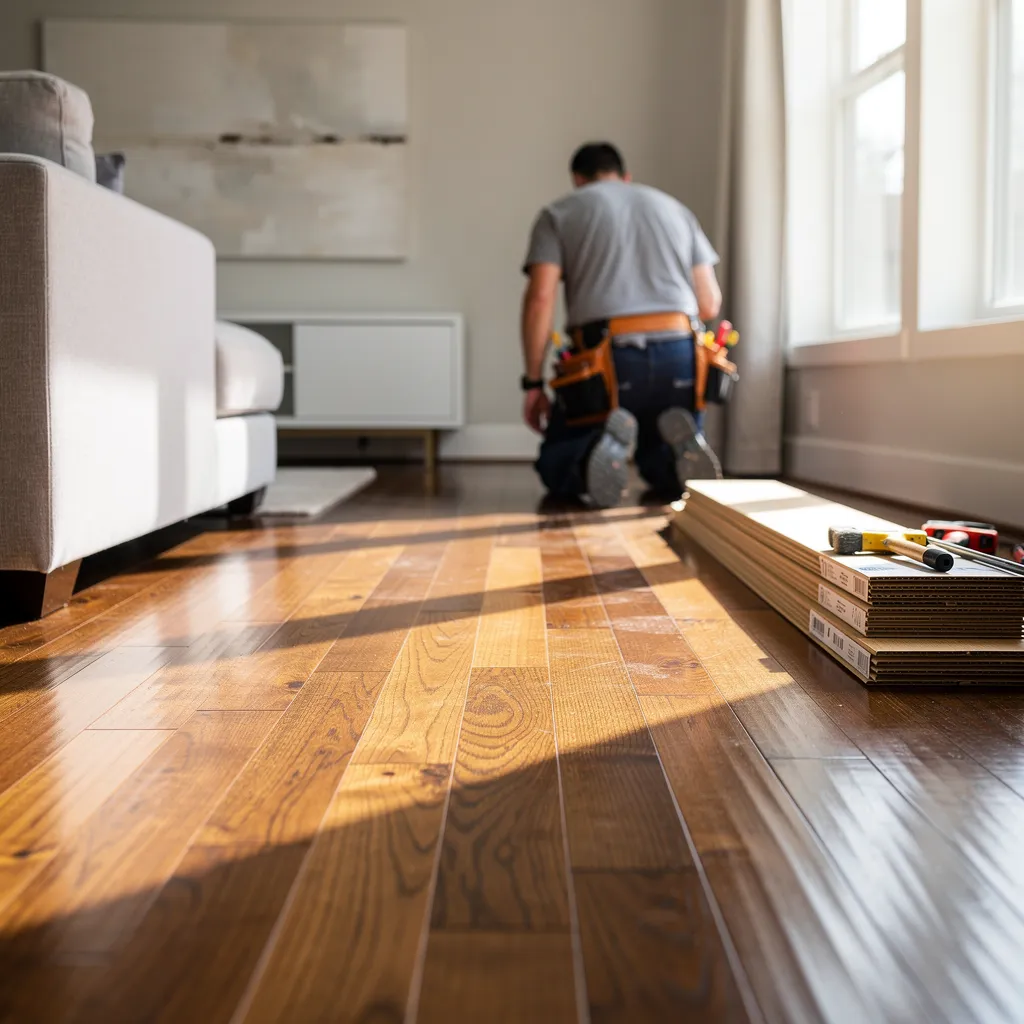
Professional installers follow a sequence of acclimation, subfloor preparation, moisture testing, and precise layout planning. Solid hardwood typically uses nail-down methods, while engineered plank may float, glue-down, or nail-down depending on manufacturer guidelines. Correct underlayment and spacing allowances prevent buckling and ensure uniform expansion gaps around perimeters.
Expert installation by BK Flooring Services Inc. leverages certified craftsmen, transparent scheduling, and a one-year service guarantee for reliable results.
When and How Should You Refinish Hardwood Floors?
Refinishing restores worn floors every 7–10 years or as surface damage appears. Technicians sand to remove old finish, apply stain if desired, and seal with new polyurethane or oil-based coating. Dust-containment systems maintain clean job sites, and each finish layer dries fully before final buffing. Proper refinishing revitalizes wood and extends lifespan by decades.
Recognizing the right timing prevents irreversible wear and maintains wood’s structural integrity.
What Are the Advantages of Choosing Local Experts in Marietta and Alpharetta?
Local specialists understand Cobb County’s climate nuances, regional design trends, and permit requirements. They source materials from trusted suppliers, schedule around weather patterns, and offer prompt service backed by customer testimonials. BK Flooring Services Inc. distinguishes itself with on-time completion guarantees, transparent pricing, and dedicated project managers who ensure every installation or refinishing job meets exacting standards.
This community-centered approach builds trust and delivers tailored solutions.
Where Can You Find Expert Hardwood Flooring Services in Marietta, GA?
Connecting with a reputable local provider streamlines project planning, execution, and ongoing support.
What Guarantees and Quality Assurances Should You Expect?
Expect a comprehensive workmanship warranty—often one year—on installation and finishing. Quality assurances include industry-standard materials, moisture barrier installation, and manufacturer-recommended finishes. Professional teams conduct post-installation walkthroughs to confirm client satisfaction and address any adjustments promptly.
These guarantees protect your investment and reinforce service reliability.
How Can You Get a Free Consultation or Estimate?
Reputable flooring contractors offer no-obligation consultations that include on-site measurements, species and finish recommendations, and transparent cost breakdowns. During these visits, experts assess subfloor conditions, discuss style preferences, and propose installation schedules that respect homeowner routines and business operations.
Securing a free estimate simplifies budget planning and accelerates decision-making.
What Do Customer Testimonials Say About Local Hardwood Flooring Providers?
Clients consistently praise punctuality, craftsmanship, and cleanliness. Testimonials highlight seamless communication, adherence to timelines, and flawless finishes that transform interiors. Positive reviews reflect providers’ commitment to quality materials and personalized service—critical factors for homeowners and commercial managers seeking dependable flooring solutions.
These endorsements demonstrate real-world performance and reinforce trust in local experts.
Hardwood flooring offers unmatched durability, timeless aesthetics, and the potential to enhance property value when chosen and installed correctly. By comparing solid and engineered constructions, evaluating species traits, exploring finishes, and following 2026 trends, you can select the perfect floor for any setting. Factoring regional climate effects and professional installation or refinishing services from Marietta’s trusted experts ensures your investment performs beautifully for years. With informed choices and skilled craftsmanship, unique hardwood flooring transforms spaces into enduring showcases of quality and style.