Best Hardwood Flooring for Pets: A Comprehensive Guide to Durable, Scratch-Resistant, and Pet-Friendly Floors
Over 85 million U.S. households share their homes with dogs, cats, and other furry companions, creating a demand for pet-friendly hardwood flooring that blends beauty with toughness. This guide explains common challenges pets pose to hardwood, compares top wood species and finishes, and offers practical maintenance tips to protect your floors. Readers will discover how Janka hardness ratings influence scratch resistance, which finishes repel moisture and hide wear, and when professional hardwood flooring installation or refinishing delivers lasting results. Whether installing new floors or restoring existing planks, homeowners, business owners, and property managers will learn clear steps to create a scratch-resistant, water-resistant, and pet-safe hardwood surface.
What Are the Key Challenges Pets Pose to Hardwood Flooring?
Pet owners often face three primary hazards on wood floors: abrasive claw scratches, moisture damage from spills or accidents, and secondary issues like allergens, noise, and slip hazards. Understanding each threat helps select the right flooring solution and maintenance routine.
How Do Pet Claws Cause Scratches and Dents on Hardwood?
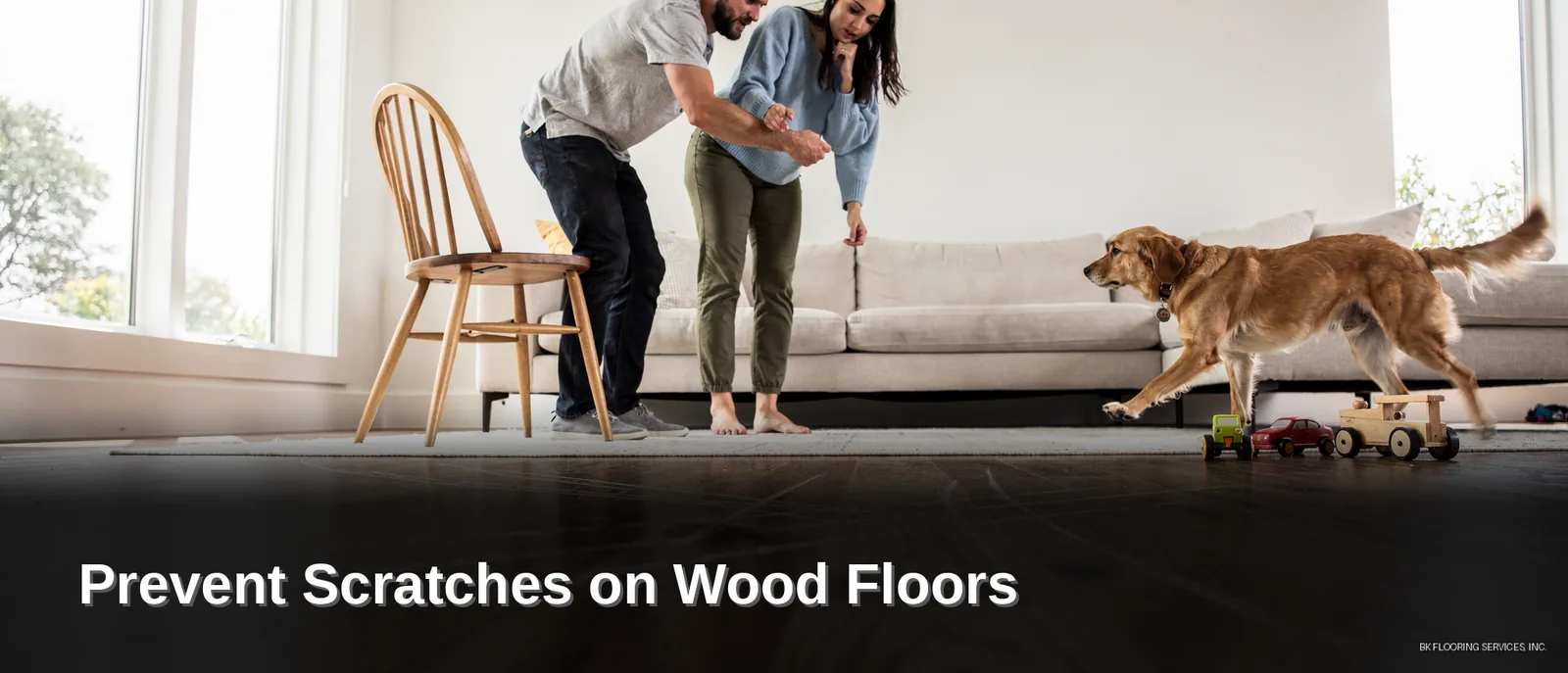
Pet claws apply concentrated pressure to finish and wood fibers, leading to surface scratches and occasional dents when nails dig into softer areas. High-traffic zones near doors and feeding stations often show parallel lines or embedment marks. Regular trimming prevents deep gouges that compromise finish and wood integrity, guiding the choice of tougher species and finishes next.
What Is the Impact of Pet Urine and Moisture on Hardwood Floors?
Pet urine introduces urine acids and moisture that can discolor, warp, and delaminate hardwood layers. Liquid penetration swells wood cells and breaks the seal of water-based finishes, causing cupping or crowning. Prompt cleanup and waterproof finishes reduce stain risk and structural damage, setting the stage for evaluating moisture-resistant coatings and textures.
How Do Pets Affect Allergens, Noise, and Slip Resistance in Hardwood Homes?
Pet dander accumulates in floor crevices, triggering allergies when not cleaned regularly, while claws on bare wood amplify noise through tapping and scraping. On smooth finishes, paws can slip, posing a fall risk for older animals. Choosing tighter-grain species, textured finishes, and area rugs enhances traction, sound dampening, and allergen capture before exploring the best wood species for pet durability.
Which Hardwood Species Are Best for Homes with Pets?
Selecting a wood species with high Janka hardness and tight grain reduces dents and conceals minor scratches. Engineered options add dimensional stability, while grain patterns can visually mask wear. This section defines the Janka scale and evaluates oak, hickory, and maple side by side.
What Is the Janka Hardness Scale and Why Does It Matter for Pets?
The Janka hardness scale measures a wood’s resistance to denting by quantifying the force needed to embed a steel ball halfway into the wood. A higher Janka rating means better defense against pet claws and furniture movement. For busy homes with dogs and cats, targeting species above 1,200 lb on the scale ensures reduced dent formation and longer-lasting floors.
Janka Hardness Scale and Pet Durability
The Janka hardness scale is a standard measure of a wood’s resistance to denting, quantifying the force needed to embed a steel ball halfway into the wood. A higher Janka rating indicates greater durability against impacts from pet claws and furniture.
Janka, G., The Janka Hardness Test (1906)
This research provides the foundation for understanding how different wood species withstand wear and tear, which is crucial for pet owners.
How Do Oak, Hickory, and Maple Compare for Pet Durability?
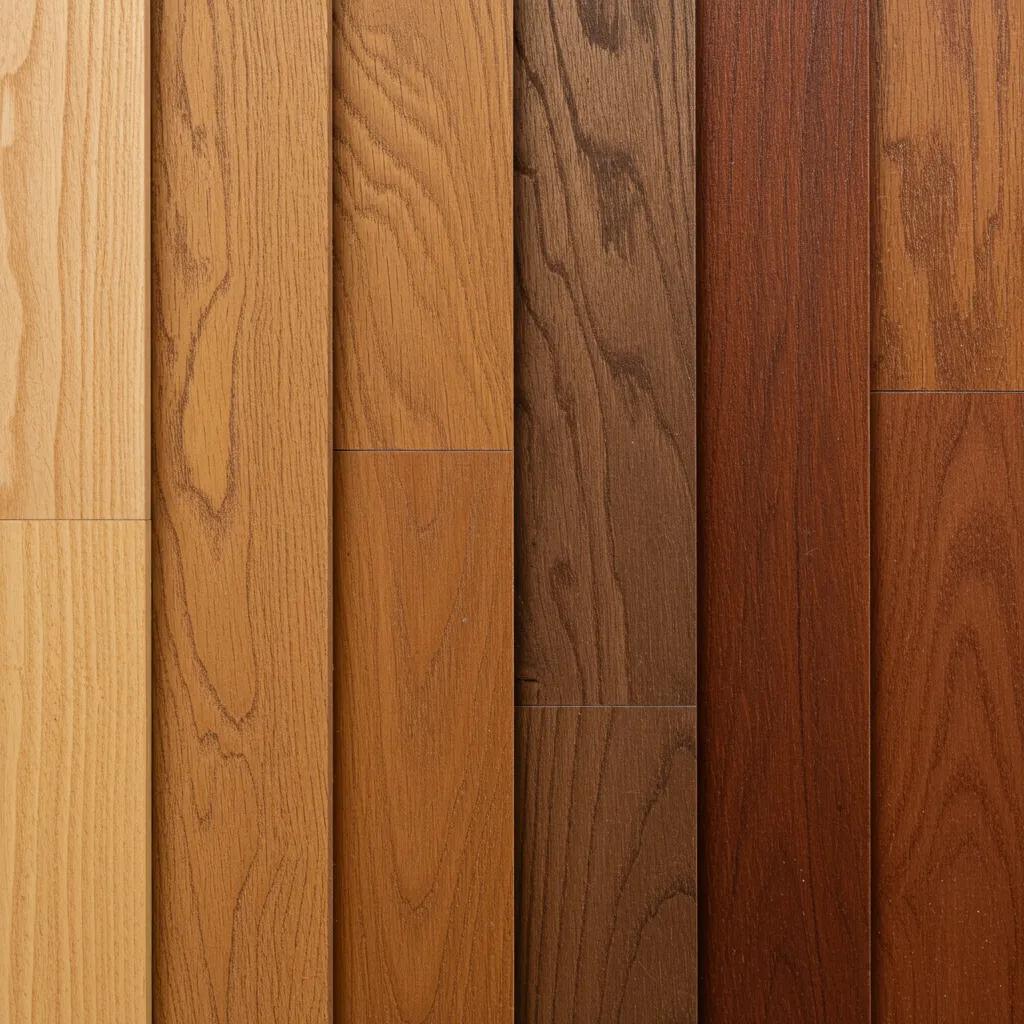
Before comparing these species, consider their hardness ratings and grain characteristics:
| Species | Janka Hardness (lb) | Durability Rating | Grain Pattern |
|---|---|---|---|
| White Oak | 1,360 | High | Open, straight-grained |
| Hickory | 1,820 | Very High | Varied, rustic patterns |
| Hard Maple | 1,450 | High | Tight, uniform |
Should You Choose Engineered Hardwood or Solid Hardwood for Pets?
Engineered hardwood features a stable plywood base with a real wood veneer, resisting moisture fluctuations and cup-and-crown warping. Solid hardwood offers deeper refinishing potential but swells more with humidity. In pet-prone environments where spills and accidents occur, engineered planks deliver consistent performance and can still be refinished once or twice over their lifespan.
Which Wood Grain Patterns Best Hide Pet Scratches?
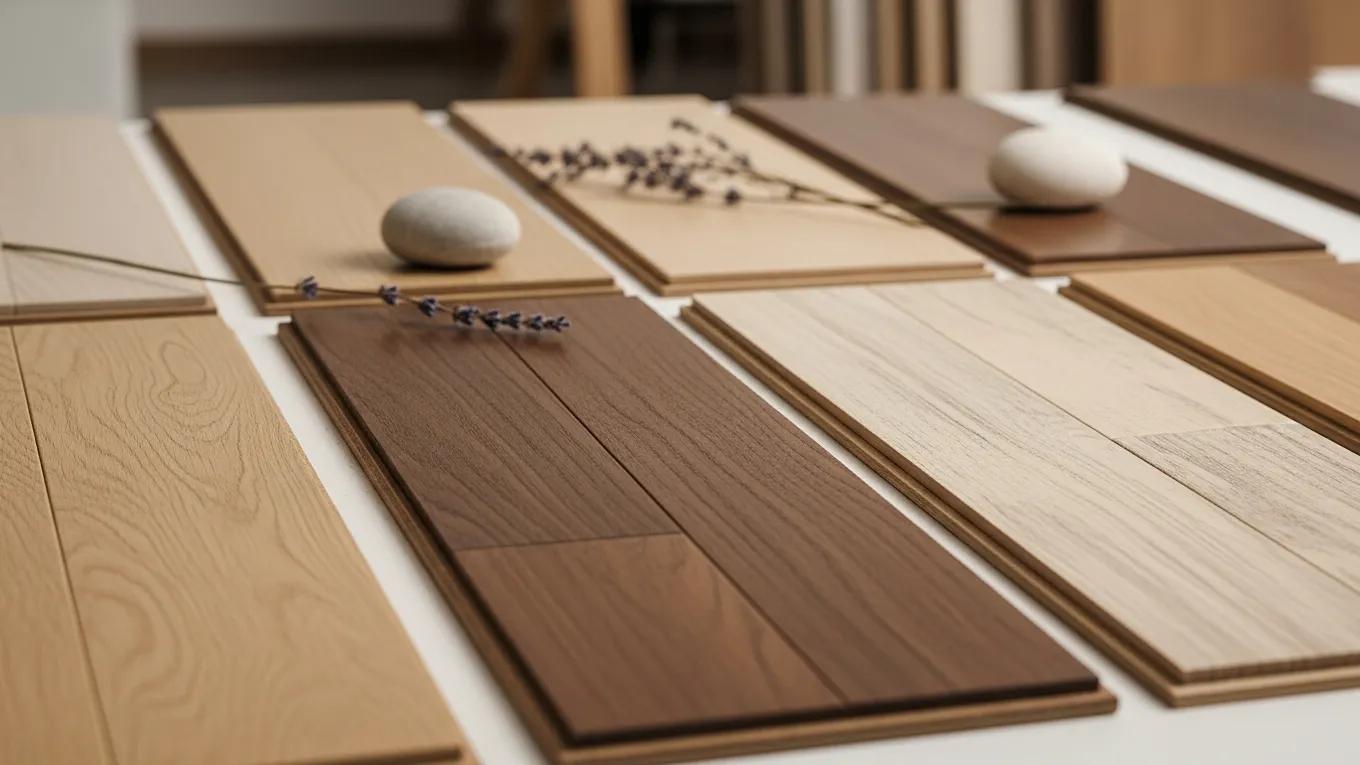
Straight and open grains create natural visual breaks that camouflage fine scratches, while resin-rich knots in rustic styles tend to mask surface wear. Micro-beveled edges also soften the transition between boards, blending minor damage into the overall texture. Pairing a tight-grain species with a matte finish further diffuses light reflections on small scrapes.
What Are the Best Hardwood Finishes for Scratch and Water Resistance?
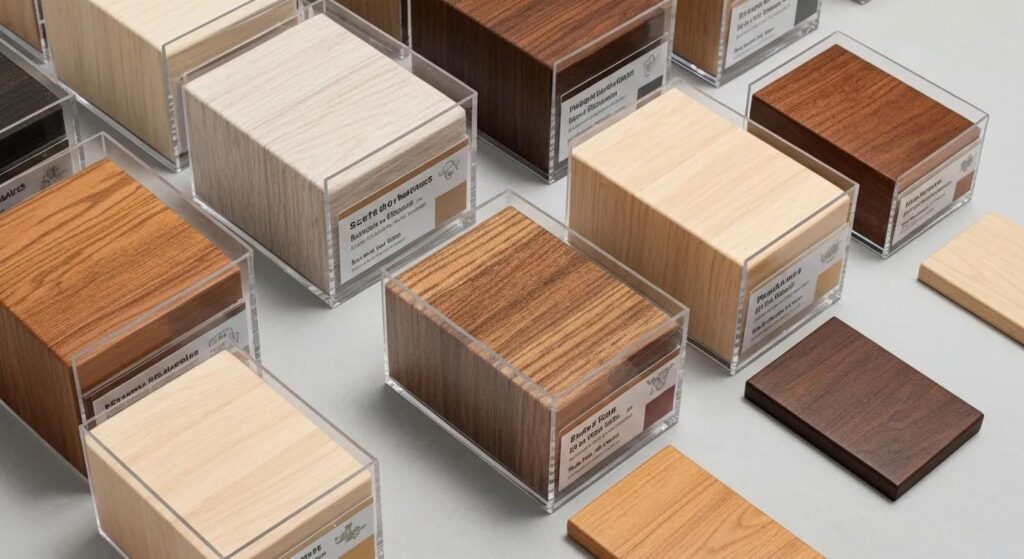
A durable finish seals wood against claws and liquids, extending time between refinishing. Aluminum oxide coatings, low-sheen formulas, and textured topcoats each offer unique advantages in pet homes.
How Does Aluminum Oxide Finish Enhance Pet Hardwood Durability?
Aluminum oxide particles embedded in a urethane finish create a microscopically hard barrier that resists abrasion from pet claws and foot traffic. This finish reduces scratch visibility and helps maintain the original color tone under heavy use. Long-term, it slows wear on the veneer and prolongs the interval before refinishing is required.
Benefits of Aluminum Oxide Finishes
Aluminum oxide particles embedded in a urethane finish create a hard barrier that resists abrasion from pet claws and foot traffic. This finish reduces scratch visibility and helps maintain the original color tone under heavy use, extending the time before refinishing is required.
Smith, A., Advances in Wood Coatings (2022)
This research supports the article’s claims about the benefits of specific finishes in protecting hardwood floors from pet-related damage.
Matte vs. Glossy Finishes: Which Hides Pet Damage Better?
Unfinished hardwood reflects scratches more sharply, but matte and satin finishes scatter light, making small blemishes virtually invisible. Glossy surfaces highlight imperfections by concentrating reflections in scratch lines. Choosing a matte sheen enhances pet safety by providing slight surface texture and concealing claw marks under normal lighting.
Are Waterproof and Textured Finishes Effective Against Pet Accidents?
Waterproof finishes use advanced resins that seal pores against liquid intrusion, preventing staining and cupping when pets have accidents. Textured topcoats add micro-grit that improves traction and diffuses shine on worn areas. Combined, they maintain floor integrity and reduce slip risk without compromising aesthetic warmth.
What Emerging Finishes Offer Antimicrobial and Odor Resistance for Pets?
Innovations in biocidal additives infuse finishes with antimicrobial compounds that inhibit mold, mildew, and odor-causing bacteria. These coatings support healthier indoor air quality by limiting allergen buildup and neutralizing pet odors at the surface. As an added benefit, they simplify cleaning routines and extend the functional life of pet-friendly hardwood.
How Can You Maintain Hardwood Floors in Homes with Pets?
Consistent maintenance protects finish integrity and wood health. The right cleaning products, preventive care, and protective accessories preserve both appearance and performance under pet use.
What Are the Best Cleaning Products Safe for Pet-Friendly Hardwood?
pH-neutral, non-abrasive wood cleaners repel oily residues without breaking down finish polymers. Look for formulas free of ammonia and harsh solvents, as these can dull shine and weaken urethane bonds. Microfiber mops paired with gentle products lift pet hair and dust from grain lines, reducing allergen levels and preventing scratch-causing debris.
How Does Regular Pet Nail Trimming Protect Hardwood Floors?
Short, smooth nail tips distribute pressure evenly and minimize concentrated stress on wood fibers. Scheduling trims every 3–4 weeks or using nail grinders reduces the likelihood of deep gouges. In conjunction with durable finish coatings, properly maintained nails cut down both visible damage and noise from claws tapping on the surface.
How Can Rugs and Mats Help Preserve Hardwood with Pets?
Area rugs at entrances and under feeding stations collect dirt, hair, and moisture before they reach bare wood. Non-slip pads with breathable weaves protect finish without trapping humidity. Rotating rugs and cleaning pads regularly prevents moisture-related discoloration and extends the time between floor refinishing projects.
What Are Effective Methods to Remove Pet Urine Stains and Odors?
Immediate blotting with absorbent cloths prevents liquid from seeping into wood pores. Enzymatic cleaners break down urine proteins and neutralize odors at the molecular level, lifting stains without sanding. For set-in discoloration, a light sanding of the veneer followed by spot-refinishing with a compatible finish restores uniform appearance.
Why Is Professional Hardwood Installation Important for Pet Owners?
Correct installation lays the foundation for long-term pet-resistant performance. Precise subfloor preparation and expert fitting ensure seals remain tight and finishes adhere fully under daily wear.
How Does Proper Subfloor Preparation Improve Pet-Friendly Hardwood Durability?
A level, moisture-controlled subfloor prevents plank movement and finish separation when pets run or jump. Installing a premium underlayment with built-in vapor barrier regulates humidity and supports finish adhesion. Addressing minor irregularities before laying boards reduces stress points that can lead to squeaks or finish cracks in high-traffic pet areas.
What Installation Methods Are Best for Scratch-Resistant Hardwood?
Nail-down assemblies secure solid hardwood directly to joists, offering firm support for smooth finishes. Glue-down engineered planks eliminate gaps that trap debris and minimize board movement. Floating floor systems with click-lock edges deliver quick installation and allow for under–floor insulation, although they may feel less solid under heavy pet activity.
How Does BK Flooring Services in Marietta, GA, Specialize in Pet-Friendly Installations?
BK Flooring Services brings over two decades of family-owned expertise to pet-owner projects, combining tailored consultations with hands-on refinishing and new hardwood flooring installations. Their technicians apply advanced moisture barriers, premium finishes, and precise subfloor leveling to create durable, scratch-resistant surfaces that withstand pet traffic while preserving the warmth of real wood.
When and How Should You Refinish Hardwood Floors Damaged by Pets?
Over time, even the toughest floors show wear. Strategic refinishing restores appearance and reinforces protection against claws and accidents, delivering a fresh surface for another decade of use.
How Does Sanding and Refinishing Restore Pet-Damaged Hardwood?
Professional sanding removes the top finish layer along with embedded scratches, exposing clean wood fibers. Applying multiple coats of durable urethane or aluminum oxide finish seals the surface against future damage. This process renews color uniformity and ensures finish adhesion over the long term.
What Durable Refinishing Options Are Best for Homes with Pets?
Water-based urethane finishes dry quickly and resist yellowing, while oil-modified urethanes offer deeper penetration and richer color tones. Aluminum oxide–infused topcoats deliver the highest abrasion resistance. Choosing the right formula balances aesthetics with performance, based on pet activity level and household moisture considerations.
How Can You Repair Scratches and Stains from Pets Effectively?
Minor surface scratches can be filled with tinted wood putty or repair sticks matched to species. Deeper gouges benefit from light sanding, spot-staining, and reapplication of finish. For localized urine discoloration, professional refinishing blends patched areas seamlessly into surrounding floors.
What Are the Typical Costs and Timeframes for Refinishing Pet-Damaged Floors?
A standard 1,000 sq ft refinishing project ranges from $2.00 to $4.00 per sq ft and requires 2–4 days, including drying time. Upgrades to aluminum oxide–enhanced finishes or specialty coatings add $0.50–$1.00 per sq ft. Planning refinement schedules around pet vacations or restricted access periods ensures minimal disruption and optimal curing conditions.
What Are Common Questions About Hardwood Flooring for Pets?
Pet owners frequently ask which species and finishes best stand up to dogs and cats, whether engineered planks outperform solid wood, how to choose protective coatings, and how often to maintain floors. Below are concise, expert answers.
What Is the Best Hardwood Flooring for Dogs and Other Pets?
Engineered hickory and white oak with aluminum oxide finishes rank highest for scratch resistance and moisture defense. Their high Janka ratings and stable core layers withstand claw impact and minor floods, making them ideal for most pet households.
Is Engineered Hardwood More Durable Than Solid Hardwood for Pets?
Yes, engineered hardwood resists warping and cupping from spills or humidity changes better than solid planks. Its plywood core adds structural stability under rapid temperature or moisture swings common in pet-friendly homes.
How Do You Choose the Right Finish for Pet-Proof Hardwood Floors?
Select finishes containing aluminum oxide for abrasion resistance, a matte sheen to disguise scratches, and waterproof or textured topcoats for accident protection and slip resistance. Prioritize products rated for commercial traffic for maximum durability.
How Often Should You Maintain Hardwood Floors with Pets?
Light cleaning with a pH-neutral cleaner and microfiber mop is recommended weekly. Nail trims every 3–4 weeks, rug rotation monthly, and annual inspections for touch-up refinishing help keep floors looking fresh and protected.
Can Hardwood Floors Reduce Allergens and Noise in Pet Homes?
Yes, smooth, sealed hardwood floors prevent dander entrapment in fibers and allow efficient removal with regular sweeping. Adding area rugs and underlayment with acoustic properties dampens paw noise and echoes, creating a quieter, healthier environment.
Wood species selection, finish choice, maintenance routines, and professional installation all work together to deliver pet-friendly hardwood that remains beautiful for years. When seams are tight, finishes are durable, and cleaning is consistent, pets and hardwood floors coexist in harmony.